
Modern building design faces a massive shift toward greener building choices as corporate developers look for long-term value. Forward-thinking architects seek out premium building options that satisfy aesthetic goals and protect global ecosystems simultaneously. This ongoing transition completely changes how teams approach initial structural blueprints during early planning phases.
Naturally grown wood offers an excellent path forward for these creative commercial and residential projects. Selecting the right structural materials allows builders to combine classic aesthetic warmth with long-term raw strength. Creative studios find new inspiration in these traditional wood choices for high-end developments.
The Aesthetic Appeal of Natural Wood
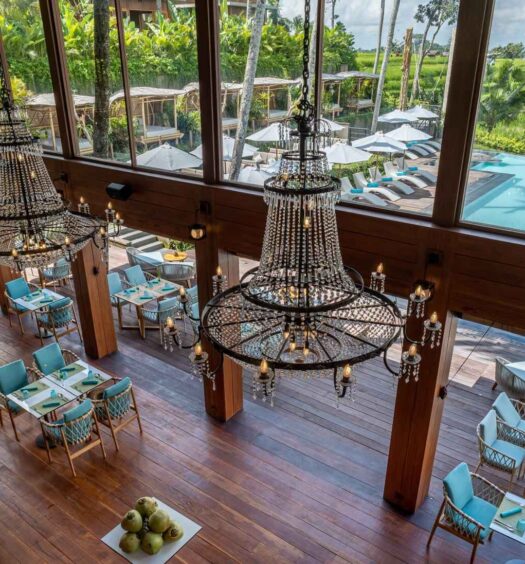
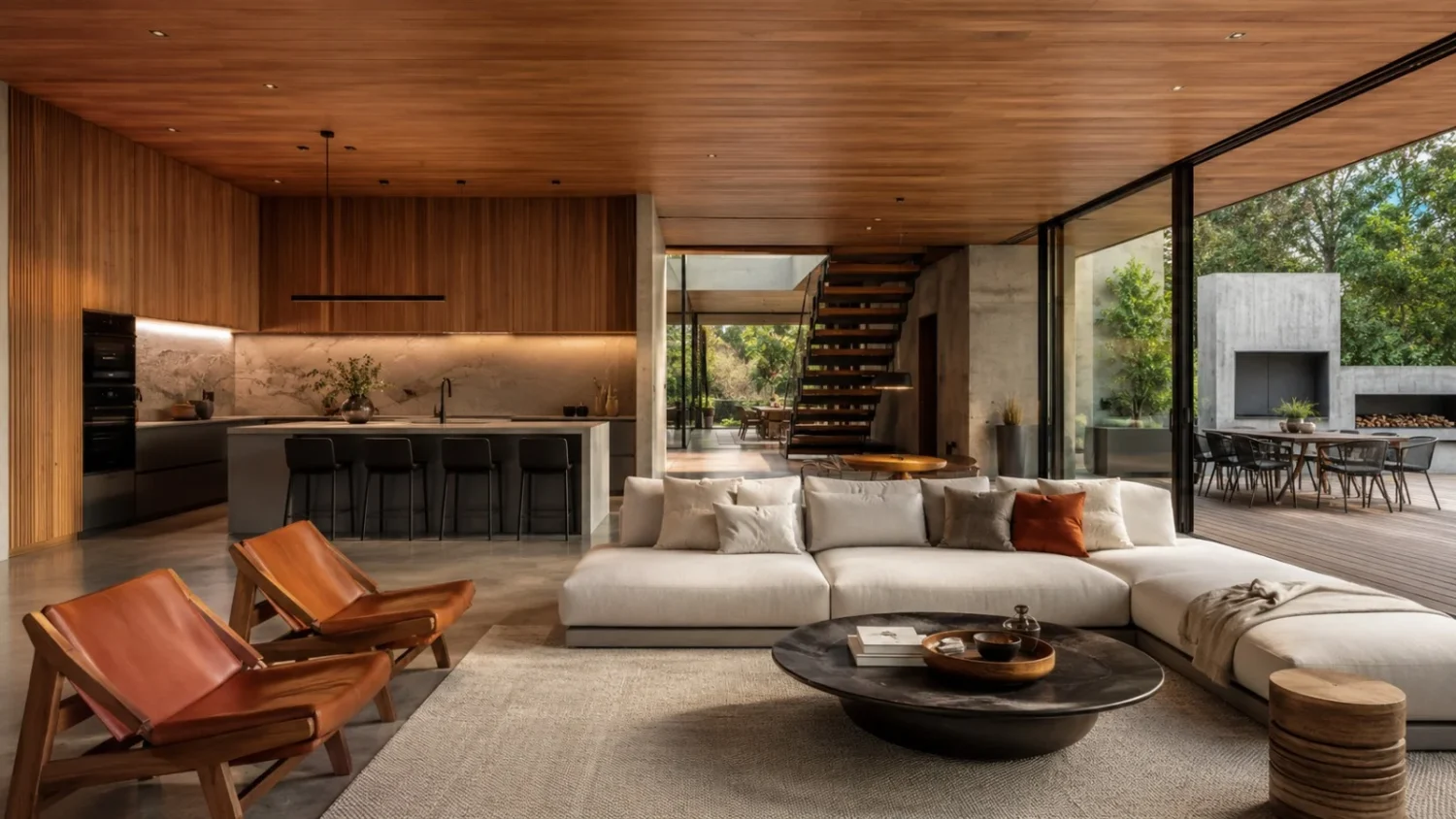
Naturally grown wood brings an unmistakable organic warmth to modern interior structures that steel cannot match. Every selected piece displays unique grain patterns and deep, rich textures that synthetic manufacturing processes can never replicate. Design teams utilize these distinct native features to craft warm, welcoming spaces for clients.
Drafting teams find incredible freedom when configuring custom structural layouts. By incorporating Premium Timber Architecture into their plans, professionals can bring bold, creative visions to life seamlessly. This material choice delivers lasting visual value that property clients love from the moment they step inside.
The rich natural tones of premium timber adapt beautifully to diverse structural design choices in urban zones. From clean minimalist cabins to open corporate business hubs, the material fits smoothly into any floor plan. Creative architects enjoy mixing distinct wood species to generate striking visual contrasts that capture human attention.
Environmental Benefits of Green Selection
Choosing responsible construction elements can lower the total carbon footprint of a modern project significantly. A prominent study highlights that strategic integration of timber in construction can reduce building-related emissions by up to 69%. This massive reduction marks a body of evidence supporting regional green planning goals for cleaner cities.
Traditional construction methods rely heavily on heavy steel production and high-emission concrete mixing processes. These conventional materials demand massive fossil energy inputs and release heavy pollution clouds during their manufacturing cycles. Swapping them for naturally grown options aids climate preservation goals directly by keeping the local air cleaner.
Atmospheric carbon stays securely locked inside the physical timber frames for many decades after assembly finishes. This biological process turns modern commercial buildings into helpful long-term carbon storage zones. Developing urban areas can transform into active tools for global environmental defense strategies without slowing down structural expansion.
Thermal Performance and Energy Costs
Well-planned wood structures offer fantastic natural insulation qualities that save money over seasonal shifts. Recent data confirms that CLT panels provide excellent thermal efficiency, maintaining stable indoor temperatures and minimizing energy loss, which lowers insulation costs. Property owners secure immediate financial savings on seasonal utility bills throughout the year.
Raw timber contains millions of microscopic air pockets that naturally resist external heat transfer through walls. This organic performance keeps interior spaces cool in summer weeks and cozy during freezing winter months. Mechanical heating and cooling systems do not have to operate nearly as hard to maintain a comfortable baseline.
Smart structural framing design yields highly consistent benefits across every single season:
– Lower electricity usage during extreme peak weather weeks when grids experience strain.
– Reduced mechanical wear on HVAC units through steady climate control.
– Better interior room comfort without drafty cold spots near windows.
Structural Strength Meets Lightweight Value
Engineered mass wood components deliver highly impressive structural load-bearing capacities for tall developments. Heavy timber beams manage immense weight loads while weighing far less than typical poured concrete slabs. Structural engineers benefit from lighter foundational requirements during the initial engineering phase of the project.
This reduced material weight simplifies transport logistics to the crowded building job site immensely. Fewer heavy trucks mean lower fuel consumption rates and smaller freight delivery fees for developers. On-site crane operations become significantly faster and safer for the construction crew during daily framing tasks.
The unique combination of high strength and low weight opens up fresh layout options for designers. Large open interior spans become easy to achieve without using massive center support columns. Builders maximize usable floor space across every level of the development to please prospective tenants.
Modern Prefabrication Speed
Off-site computer manufacturing changes the speed at which modern construction crews work on-site. High-tech automated shops cut every timber piece to exact dimensions before field delivery occurs. This intense digital precision accelerates assembly schedules on the physical building plot by eliminating field measurements.
Field crews assemble the interlocking wooden pieces much like a large building puzzle under open skies. Projects finish many weeks ahead of standard construction timelines, saving developers significant labor expenses. Surrounding residential neighborhoods experience far less noise disruption during the entire assembly process.
Prefabricated structural elements minimize material waste at the primary construction site during staging. Every complex cut happens inside a controlled factory environment where raw scraps are gathered effortlessly. Clean work zones protect crew safety and lower final cleanup fees for the management team.
Durability and Long-Term Security
Modern treatment methods defend natural wood fibers against common environmental threats in wet climates. Advanced specialized finishes protect the timber from moisture rot damage and destructive insect colonies. These protective steps keep structural building frames totally secure for multiple generations with very little degradation.
High-quality timber installations require very little regular maintenance to stay looking beautiful and fresh. Real estate managers follow simple cleaning schedules to keep exterior elements looking brand new for decades. This long-term durability translates directly to steady market value for the property owner during resales.
Long-lasting timber building assets offer three distinct financial advantages for property owners:
– Fewer structural repair bills over the entire building lifecycle.
– Higher resale attraction due to timeless physical wear and style.
– Lower property insurance premiums from proven material safety ratings.
Indoor Air Quality and Wellness
Spending time inside timber-lined spaces promotes measurable human health advantages for busy families. Natural materials help balance indoor humidity levels inside rooms, creating a superior living environment for everyone. Building occupants regularly report lower daily stress levels when surrounded by exposed wood walls in their homes.
Synthetic wall coverings and chemical paints often release harmful volatile compounds into the air. Grown wood remains completely non-toxic and clean from the very first day of installation. Breathing cleaner indoor air improves focus and sleep quality for everyone inside the structure.
The strong visual connection to natural elements supports daily mental wellness in commercial spaces. Corporate offices built with exposed timber framing notice higher employee satisfaction scores during surveys. Designing for people means looking closely at the materials that surround their desks every day.
The Future of Circular Design
At the end of a building lifecycle, timber leaves excellent options open for crews. Deconstruction teams can reclaim large support beams for new structural design projects easily. This process loops valuable materials back into active use instead of discarding them in traditional dumpsters.
Even smaller leftover wood scraps find immediate use as clean biomass fuel or garden mulch layers. The entire circular cycle avoids creating permanent industrial trash heaps in local county landfills. Future construction guidelines will reward this responsible approach to natural resource management across the country.
Investing in green building options prepares projects for upcoming governmental compliance shifts down the road. Global regulatory bodies continue to favor low-emission construction paths over traditional high-carbon designs. Early adopters gain a clear market advantage by choosing renewable options today for their property portfolios.
Sustainable architectural wood represents a powerful selection for forward-thinking design paths. It brings unmatched organic beauty and delivers real structural advantages to modern building spaces that need to stand out.
By choosing renewable timber materials, creative design teams protect clients and the environment. Inspiring spaces truly thrive when built on a responsible natural foundation that lasts.
You Might Also Like