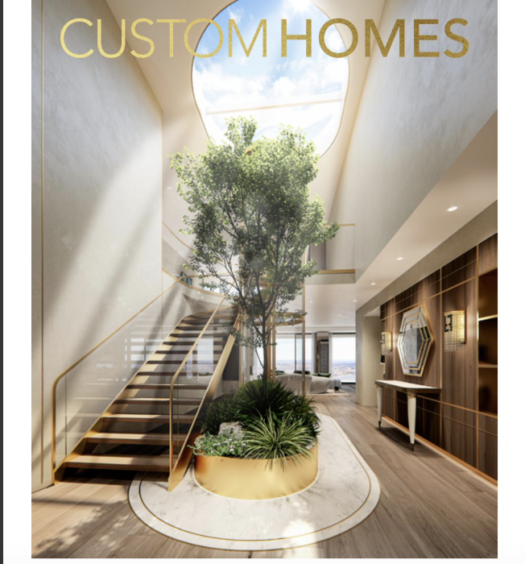

A new home starts long before pen is ever set to paper. It starts with the idea of building, with thoughts about how you want the home to look, how you want it to feel, and the kind of life you imagine unfolding there. It might be a vision board in your mind, a folder of saved images, or pages cropped from Custom Homes and pinned to the fridge. Then come the more practical decisions, from finding the right land to choosing who will build it. One of the biggest decisions early in the process is the custom home vs project home question, because the path you choose will shape almost every part of the finished residence.
It is an important distinction because the choice is not simply about the type of builder you engage. It influences how the home is designed, how much flexibility you have during the process, how well the design works with the land, and how much of your own lifestyle can be reflected in the finished result. Below, we explain the key differences between a project home and a custom home, including design flexibility, site suitability, finishes, cost and long-term value, before looking at why many homeowners choose custom when they want a more personal home.
What is a Project Home?
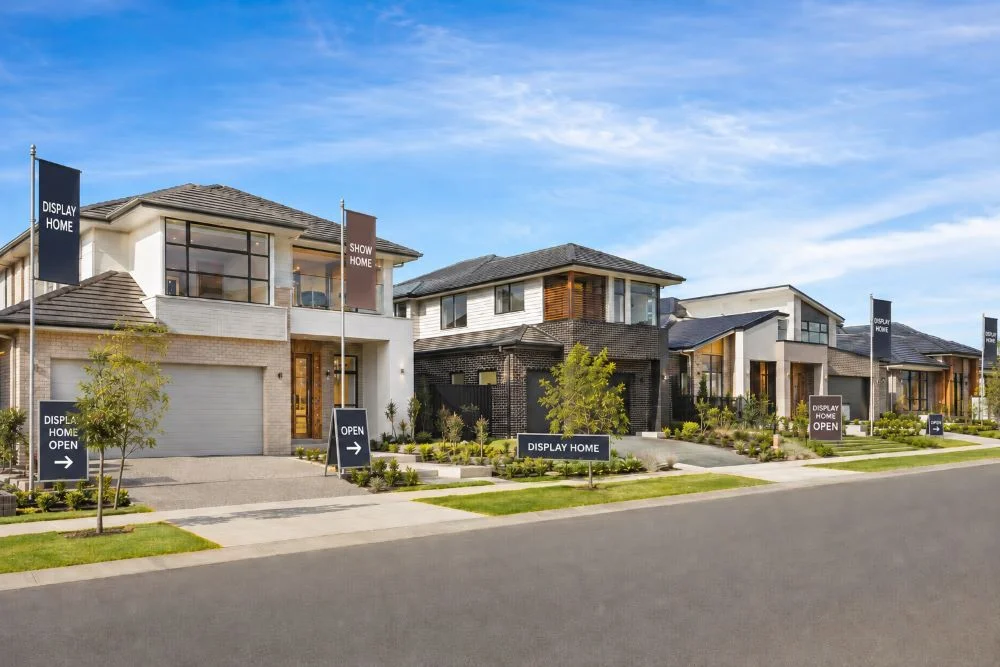
A project home usually starts with a design that already exists. Buyers may be able to walk through a display home, choose from a set range of finishes and make some changes along the way. This can be helpful for people who want to see a version of the finished home before they build, or who feel more comfortable choosing from an established design range.
A project home is usually based on a pre-designed floor plan offered by a volume builder. These homes are often presented through display villages, brochures or online design collections, allowing buyers to choose from an existing range of layouts, facades and inclusions.
For many people, this can be a practical and familiar way to build. A project home may suit a standard block, a straightforward brief and a buyer who wants the reassurance of seeing exactly what they are going to get from the onset because one of the clear advantages of a project home is that there is often a display (or show home) available to view. For those who find it difficult to visualise a home from plans, being able to physically walk through a version of the home can remove a lot of the uncertainty from the process. Further to this, in many cases the builder has delivered similar homes many times before, which can make the construction process feel more predictable.
The limitation is that a project home is still based on a standard design. Some changes may be possible, but they are usually limited to what the builder allows within that range. Once you want to significantly alter the floor plan, adjust room proportions, change ceiling heights, reposition windows, work with a difficult block or create a more individual finish, the benefits of a project home can begin to narrow.
What is a Custom Home?
A custom home starts somewhere far more personal. It begins with your block, your lifestyle, your ideas and the way you want the home to work for years to come.
Instead of choosing from a standard set of plans, the design is created around the owner’s lifestyle, the land, the orientation, the outlook, the desired level of finish and the long-term purpose of the home. Every decision can be made with that particular client and that particular site in mind.
This is where the custom home process is very different. There is no exact display home to walk through, because the home has not been built before. Everything is being created specifically for the owner. This does require more imagination, more trust and a strong working relationship with the builder and design team, but it is also the reason a custom home can deliver a more personal result.
A custom home gives owners the opportunity to think carefully about how they want to live. The kitchen can be designed around the way the household cooks, entertains and gathers. Living areas can be positioned for natural light, garden outlooks or views. Bedrooms can be arranged to suit children, guests, older family members or future needs. Outdoor spaces can be planned as part of the home from the beginning, rather than treated as an addition after the main design is already set.
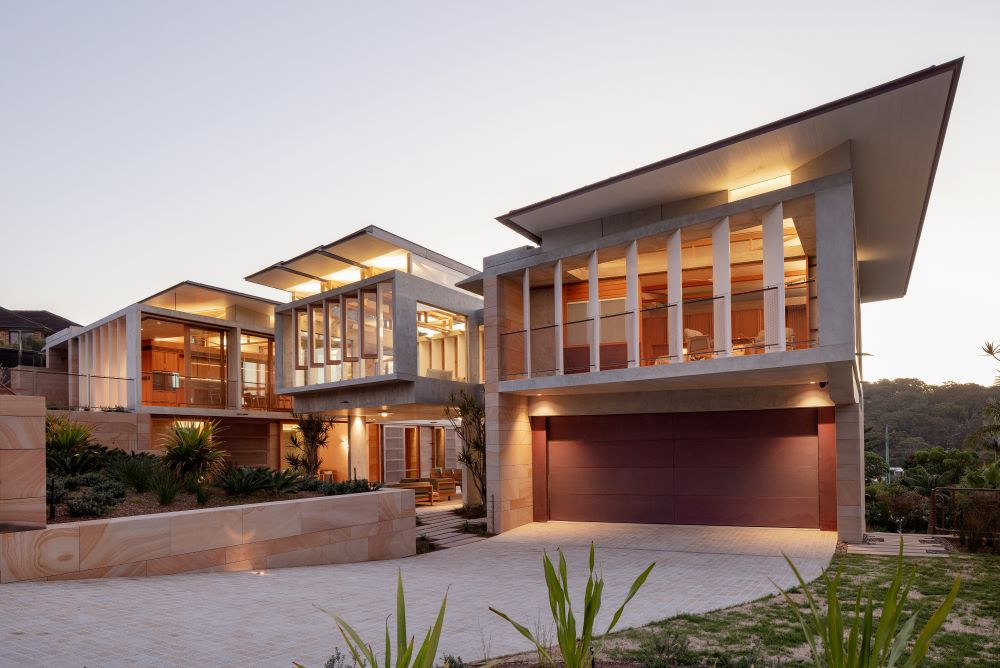
This spectacular residence by JJ Building Co was custom designed for it’s oceanfront setting in Sydney’s Avalon
For many homeowners, particularly those building at the luxury end of the market, this level of personalisation is the reason they choose a custom home in the first place. It is not simply about size, budget or prestige. It is about creating a home that works around your life, your land, your routines and the way you want to feel every time you walk through the door.
A Custom Home Starts with You
The biggest difference between a custom home and a project home is the starting point. A project home starts with the house. A custom home starts with the owner.
In a project home, the buyer is generally choosing a design that already exists and then adjusting it where possible. In a custom home, the design process begins with questions about how the household lives day to day. How do you entertain? Do you need separation between children’s and adults’ zones? Do you work from home? Do you need space for extended family or guests? Do you prefer open-plan living, or do you want quieter rooms away from the main areas? How much storage do you need? How do you want the home to feel when you arrive at the front door?
These questions are not small details. They shape the way the home works once it is finished. The location of the laundry, the size of the pantry, the connection between the garage and kitchen, the amount of built-in storage, the placement of windows and the relationship between indoor and outdoor spaces all affect everyday comfort. A well designed custom home can make daily life feel easier because those choices have been planned around the owner from the beginning. That is difficult to achieve in the same way when the starting point is a standard floor plan created for a broad market.
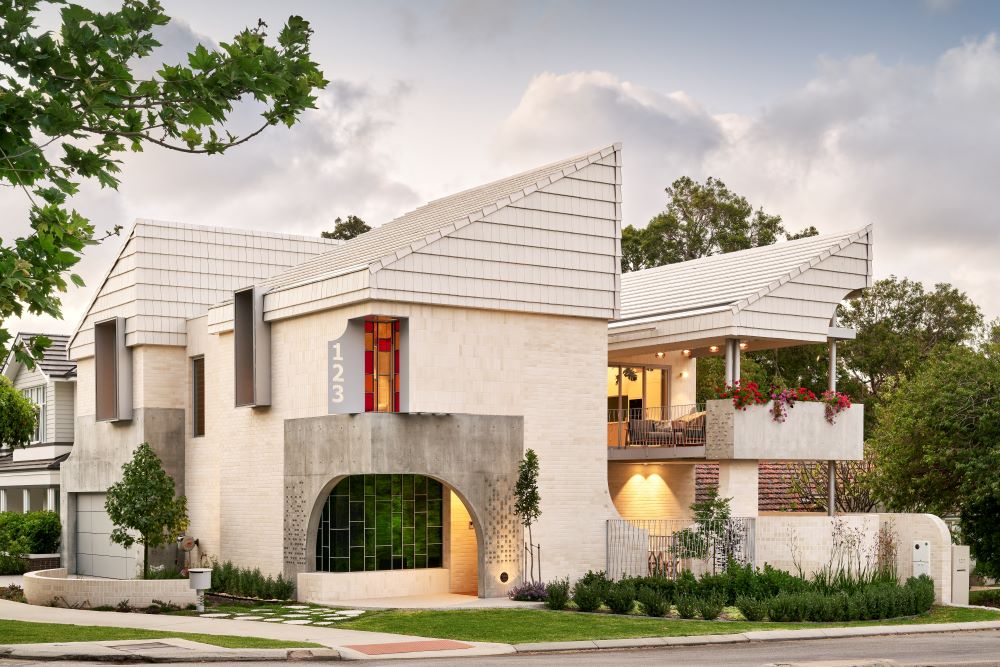 A custom home can also reflect the story of the people who live there, whether that means honouring family history, responding to a long held lifestyle dream or creating spaces that support the way the household gathers, relaxes and spends time together. This is seen in homes such as this Nedlands custom home by Calautti Homes, which pays tribute to the owners’ former fuel station while creating a deeply personal home for their next chapter.
Custom Homes Make Better Use of Land, Light and Outlook
One of the strongest reasons to choose a custom home is the ability to design specifically for the land. Not every block is simple, and not every site should be treated the same way.
A project home can be a practical option for a flat, regular site that fits neatly within a certain block width and set design parameters. But many of Australia’s most spectacular and memorable homes are built on land that is anything but standard. A sloping block, narrow site, coastal position, acreage property, corner allotment or clifftop location usually demands a far more tailored approach. These are the kinds of sites where a cookie-cutter design can quickly fall short. They need a home that has been designed specifically for the land, the views, the orientation, the access, the lifestyle and the conditions that come with that particular site.
With a custom home, the design can be shaped to suit the site in a much more intelligent way, bringing natural light into the right spaces, making the most of sea breezes and views, and creating privacy where it matters most. This is where home orientation becomes important, with passive design principles showing how the position of a home can influence natural light, comfort, summer heat and winter warmth. Living areas can be placed where they will feel best throughout the day. Windows can be positioned to frame the outlook or protect privacy from neighbouring homes. Outdoor spaces can be designed to feel sheltered, usable and connected to the interior. On a sloping block, the home can be arranged to work with the land rather than against it.
This is particularly important for premium sites. If a block has been chosen for its views, location, size, aspect or rarity, the home should make the most of those qualities. A standardised floorplan of a project home will not be able to do that properly. A custom home gives the owner the opportunity to unlock more of the land’s potential.
Custom Homes Have Greater Freedom in Design and Finishes
A project home usually offers a set range of inclusions, upgrades and finishes. Buyers may be able to choose from different colour schemes, benchtops, flooring, fixtures, appliances and facade options, but those selections generally sit within a defined framework.
A custom home gives the owner the freedom to choose materials, finishes and design details to suit their own individual taste, budget and expectations. This can include custom doors and windows, higher quality flooring, premium appliances, architectural lighting, natural stone, sculptural staircases, fireplaces, wine storage, wellness spaces, lifts, outdoor kitchens, pools and landscaping.
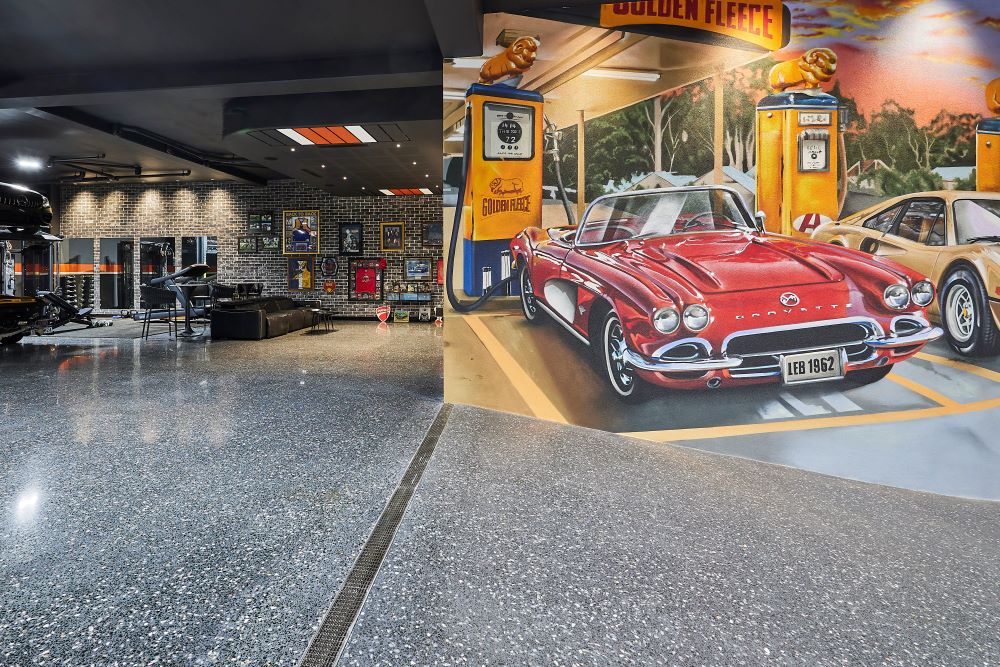
This Mt Pleasant luxury home by Beaumonde Homes shows how a custom home can be shaped around very specific lifestyle passions, with a showroom-style undercroft garage and car lifts for a 16-car collection, along with a half-court basketball court and private putting green
The difference is not just about luxury. It is about suitability. A family with young children may need durable flooring, generous storage and highly practical wet areas. A couple building their long-term home may want a more refined kitchen, a private main suite, better outdoor entertaining areas and a layout that will remain comfortable as their lifestyle changes. A homeowner who loves entertaining may want the kitchen, bar, dining, living and alfresco areas to work together in a very specific way.
In a custom home, these decisions are not simply upgrades added to a standard plan. They are part of the wider design thinking, which helps the home feel more complete and more natural to live in.
Custom Homes vs Project Home – The Difference in Quality
Quality can vary in both project homes and custom homes, so it is important not to make assumptions based only on the type of build. The real difference is usually the level of choice, flexibility and control available throughout the process.
In a project home however the specification is often designed to meet a particular price point. Display homes may include upgraded finishes, which can make it difficult for buyers to understand exactly what is included in the base price and what will cost extra. Flooring, benchtops, cabinetry, tapware, appliances, lighting, window treatments, landscaping and outdoor features can all have a significant impact on the final cost and the final feel of the home.
A custom home allows the specification to be developed around the quality the owner wants to achieve. The builder and design team can guide decisions on where to invest, where to simplify and how to create a stronger result without unnecessary waste. This often leads to a more cohesive home, where materials, finishes and details feel connected rather than selected from a limited menu.
For homeowners seeking a high-end residence, this level of control is particularly valuable. The finish of a luxury home is felt in the way doors close, how joinery is detailed, how materials meet, how lighting is planned and how each space functions. These are the elements that often separate a standard new build from a home with real quality.
Cost and Value are Not the Same Thing
When comparing a custom home vs project home, cost is often one of the first topics people look at. A project home may appear more affordable at the outset because the design has already been created and the builder is working at scale. For a straightforward block and a standard brief, this can make the process more cost-effective.
However, it is important to look beyond the starting price. Site costs, upgrades, variations, landscaping, driveways, lighting, flooring, window furnishings and higher quality finishes can all change the final figure. A display home can also create expectations that sit well above the base inclusions.
A custom home will usually involve more detailed planning and a higher level of individual design, which can mean a greater upfront investment. The value comes from being able to direct the budget where it matters most. Rather than starting with a standard package and then trying to alter it, the home is planned around the owner’s priorities from the beginning.
For some homeowners, value means capturing a view that would otherwise be missed. For others, it means creating better living spaces, increasing natural light, improving storage, investing in a high-performance kitchen, achieving a stronger indoor-outdoor connection or building a home that will support the family for decades, as children become young adults or older parents need to be accommodated within the home.
A lower starting price does not always lead to the better long-term outcome. The real question is whether the finished home delivers the lifestyle, quality and longevity the owner expects.
Long Term Value and Resale Appeal of Custom Home vs Project Home
A well built project home can certainly hold value, particularly in a desirable location where buyers are looking for a new home with a practical layout. However, project homes are often designed for broad appeal, which can make them feel similar to other homes.
A custom home has the potential to offer a stronger point of difference. It can be planned to suit the land more effectively, finished to a higher standard and given a level of individuality that is difficult to achieve through a standardised approach to design. This can be especially important in premium suburbs, coastal areas, acreage locations and established neighbourhoods where buyers are often looking for something with character, quality and a stronger sense of place.
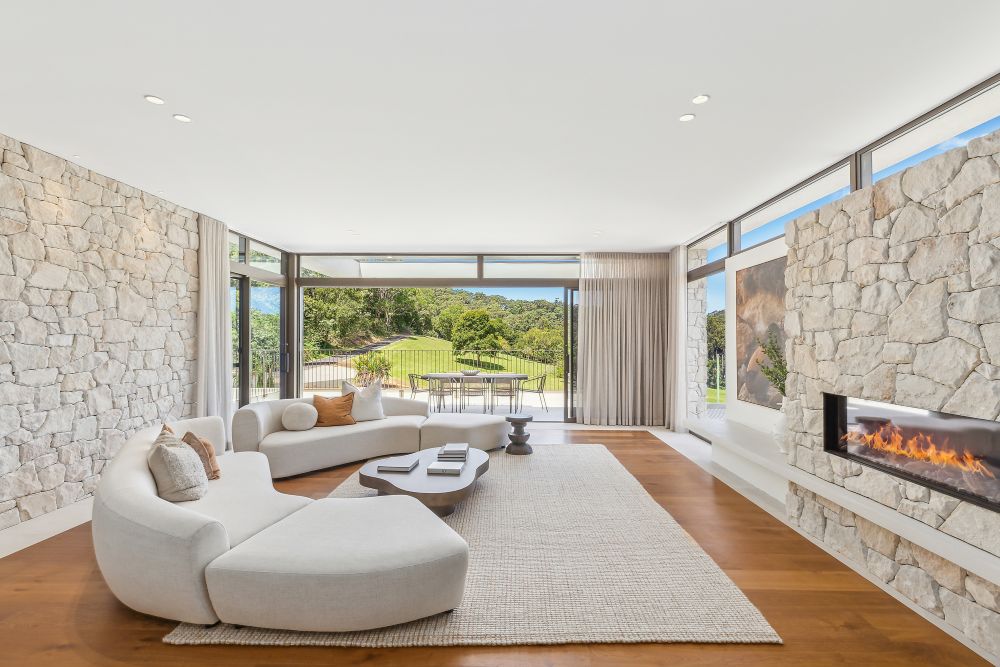
This Central Coast custom home by JSH Projects on the NSW can be designed to make the most of its rural outlook, with floor-to-ceiling glazing and wide terraces framing the views and connecting the home to the surrounding landscape.
Long term value is also about liveability. A home that has been designed around its owners can continue to function well as life changes. Children grow older, work patterns shift, entertaining needs change and families evolve. A custom home can take these possibilities into account from the beginning, creating a residence that is not only impressive on completion, but comfortable and practical for many years.
This is one of the reasons custom homes remain so appealing to people building at the higher end of the market. They offer a level of personal value that can be felt every day, while also creating a more distinctive property for the future.
When a Project Home May Not be Enough
A project home may be a suitable choice when the block is straightforward, the brief is simple and the buyer is comfortable working within a standard range of plans, finishes and inclusions. For some people, that structure can make the building process feel clearer and more predictable.
The limitations usually become clear when the buyer starts wanting the home to do more than the standard design allows. A project home can offer structure and simplicity, but it is still working within an existing framework. Once the brief becomes more personal, the site becomes more demanding or the expectations around quality, layout and finish become more specific, the value of a custom home becomes much clearer.
This is where the custom home vs project home decision becomes more personal. It is not simply about whether one option is better than the other. It is about whether the chosen approach can deliver the home the owner actually wants to live in.
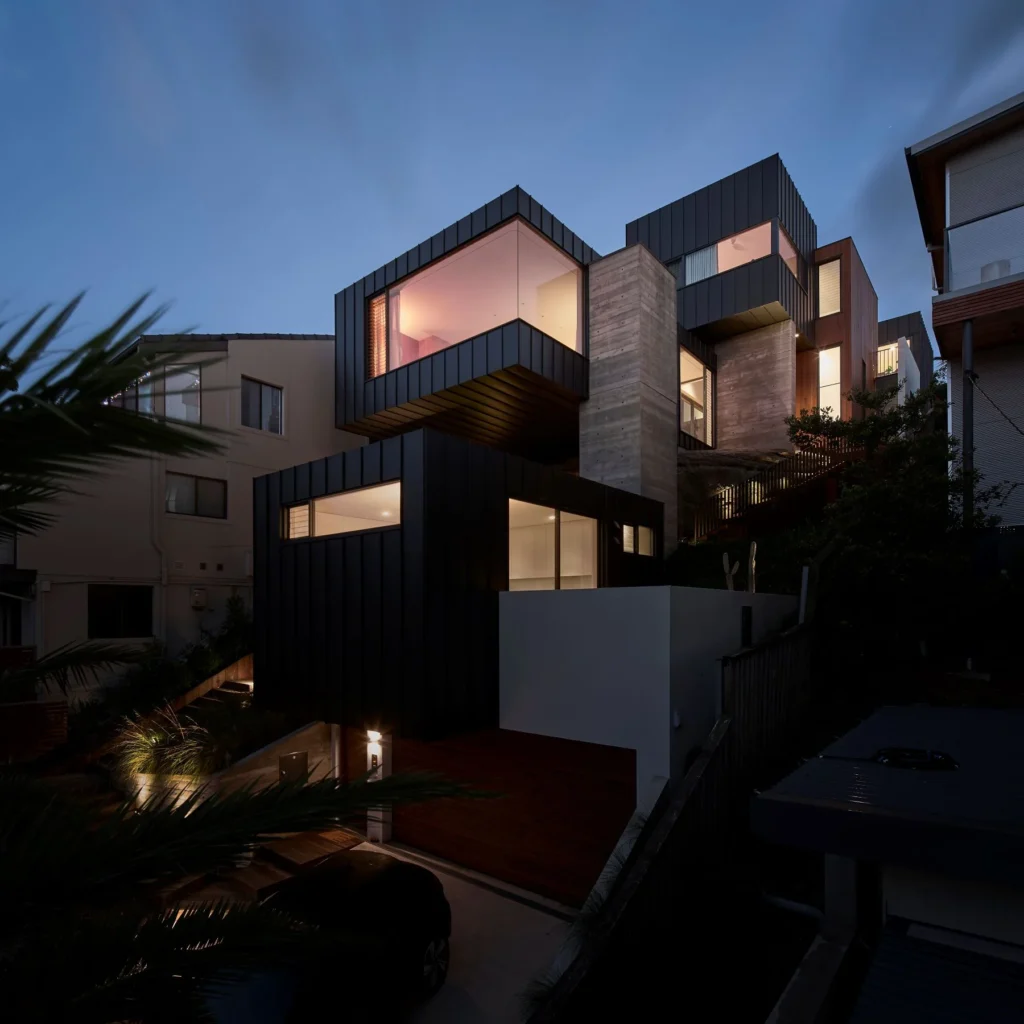
This award-winning North Curl Curl custom home by Mallinger Constructions is a powerful example of why custom building matters. Set on an exceptionally steep and challenging site, the home was designed around the land itself, turning difficult levels, sandstone features and sweeping ocean views into defining parts of the finished residence.
For homeowners investing in a luxury residence, compromise is often the very thing they are trying to avoid. The point of building is not simply to have a new house. It is to create a home that has been designed for them, functions well, makes the most of the land and reflects the quality they expect.
Why Custom Homes Appeal to Homeowners Looking for More
The people drawn to custom homes are usually not looking for a standard new build. They are seeking ideas, inspiration and guidance for homes that feel more personal, more refined and more connected to the way they want to live.
A custom home allows that level of thinking to happen from the beginning. It gives homeowners the chance to create a residence that reflects their priorities, whether that means a relaxed coastal home, a contemporary family residence, a modern farmhouse, a country estate, a Mediterranean-inspired retreat or a highly detailed architectural build.
The best custom homes are not defined by size alone. They are defined by the way they bring together land, lifestyle, design and craftsmanship. They make everyday life more enjoyable because the spaces have been planned with purpose. They feel personal because they have not been created for everyone. They carry lasting value because the quality is built into the home from the start.
For anyone considering the difference between a custom home and a project home, this is the clearest distinction. A project home gives you a design to choose from. A custom home gives you the opportunity to create a home that belongs to you.
Frequently Asked Questions about Custom Homes vs Project Homes
Is a custom home better than a project home?
A custom home can offer a better result for homeowners who want more flexibility, a higher level of finish, a more personal layout or a home designed specifically for their land. A project home may suit a simpler brief, but a custom home gives far greater freedom to create something around the way you live.
Is a custom home more expensive than a project home?
A custom home will often involve a higher level of design, planning and finish, which can mean a greater investment. However, cost and value are not the same thing. A custom home allows the budget to be directed toward the features, materials and spaces that matter most to the owner, rather than starting with a standard package and adding upgrades later.
Can you change a project home floor plan?
Some project home builders allow changes to floor plans, but the flexibility is usually limited. The more significant the changes become, the more likely it is that a custom home may be a better fit, especially if the owner wants to alter room sizes, ceiling heights, window positions, orientation or the way the home connects to the outdoors.
Can you view a custom home before it is built?
Not in the same way you can often view a project home. A project home builder may have a display home that shows a completed version of a design that can be built again, often with some changes or upgrades.
With a custom home, the finished residence is created specifically for one client, one site and one brief, so there is usually no exact version to walk through before it is built. However, many custom builders do give prospective clients the opportunity to view recently completed homes, open homes or display residences that show the quality of their workmanship, finishes and attention to detail.
These homes can be a valuable way to understand the builder’s standard of construction and the type of result they can achieve. The difference is that the home you build with a custom builder is then tailored to your own land, lifestyle, budget, design preferences and long-term needs.
Is a custom home better for a sloping block or difficult site?
A custom home is often the stronger option for a sloping block, narrow site, coastal block, acreage property or any land with specific challenges. Because the home is designed for the site, the layout can work with levels, views, privacy, light, access and outdoor living in a way that a standard project home may not be able to achieve.
Final thoughts on a Custom Home vs Project Home
Understanding the difference between a custom home and a project home is essential before choosing how to build. A project home can offer structure, familiarity and the reassurance of seeing a similar home before it is built. For some buyers, that may be enough.
A custom home offers something very different. It gives the owner the ability to design around the land, lifestyle, light, views, finishes and future needs of the household. It allows a higher level of individuality and a more personal relationship between the home and the people who live there.
For those building a high-quality residence, the value of a custom home is not only in how it looks. It is in how well it works, how it feels to live in, how it uses the site and how confidently it reflects the owner’s vision. That is the difference that matters most.
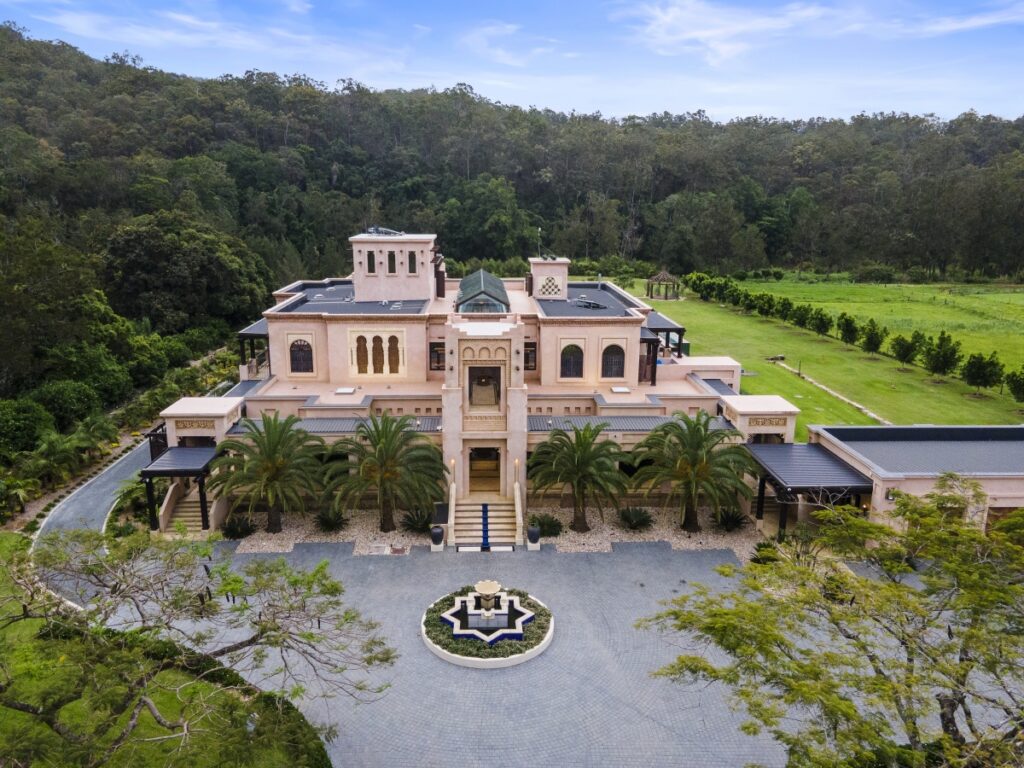
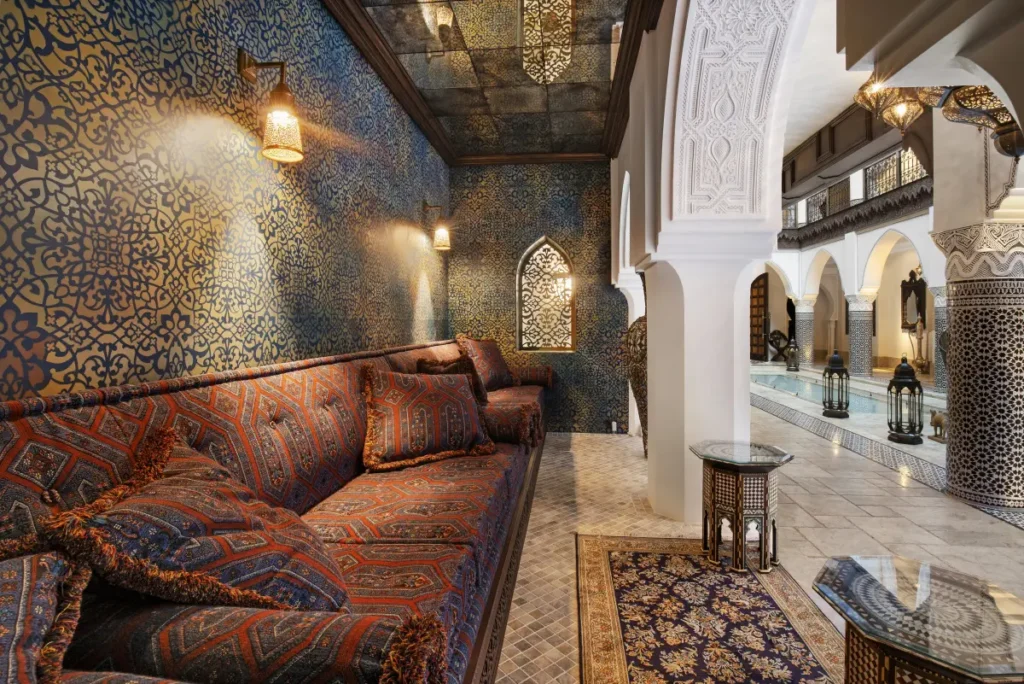
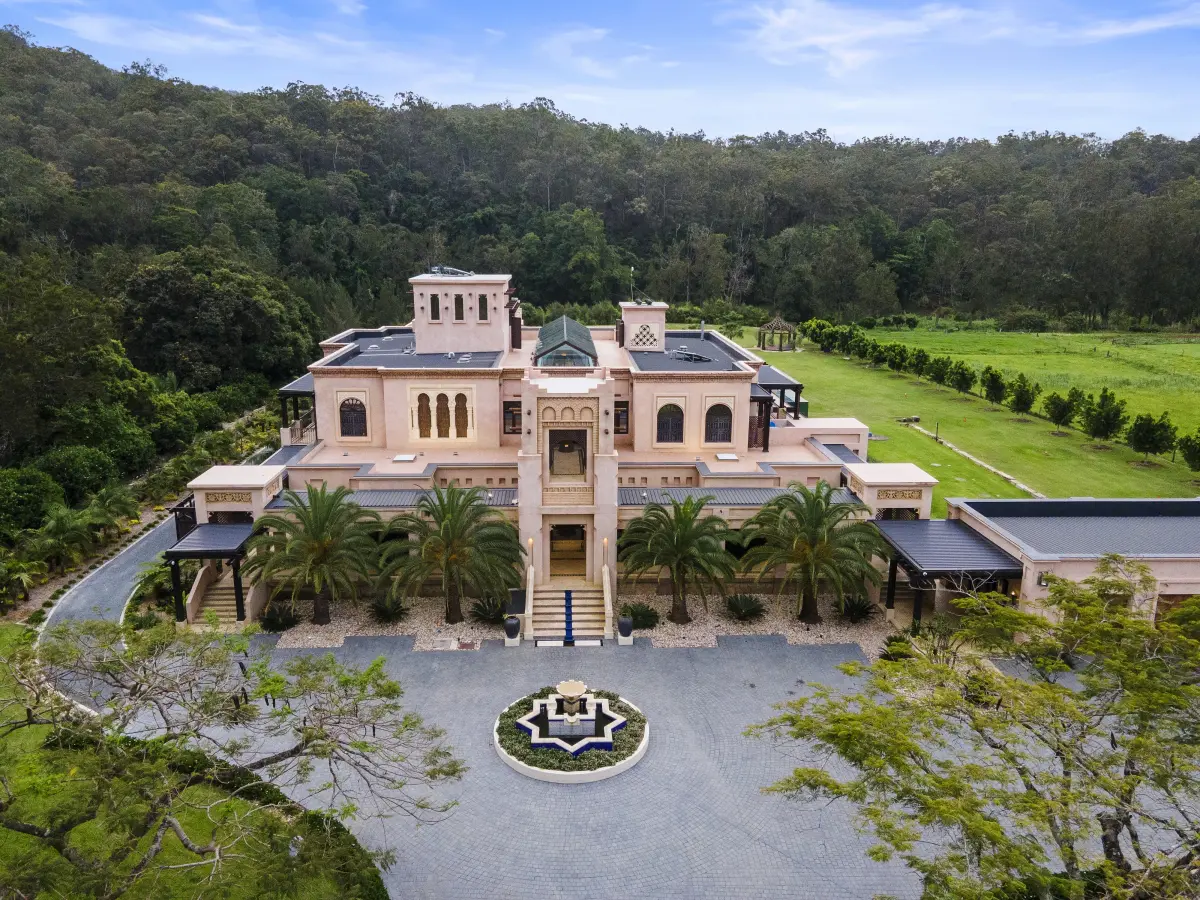
Seen above and in featured image, this highly specific Moroccan inspired home in the Gold Coast Hinterland exemplifies everything that is a custom home.