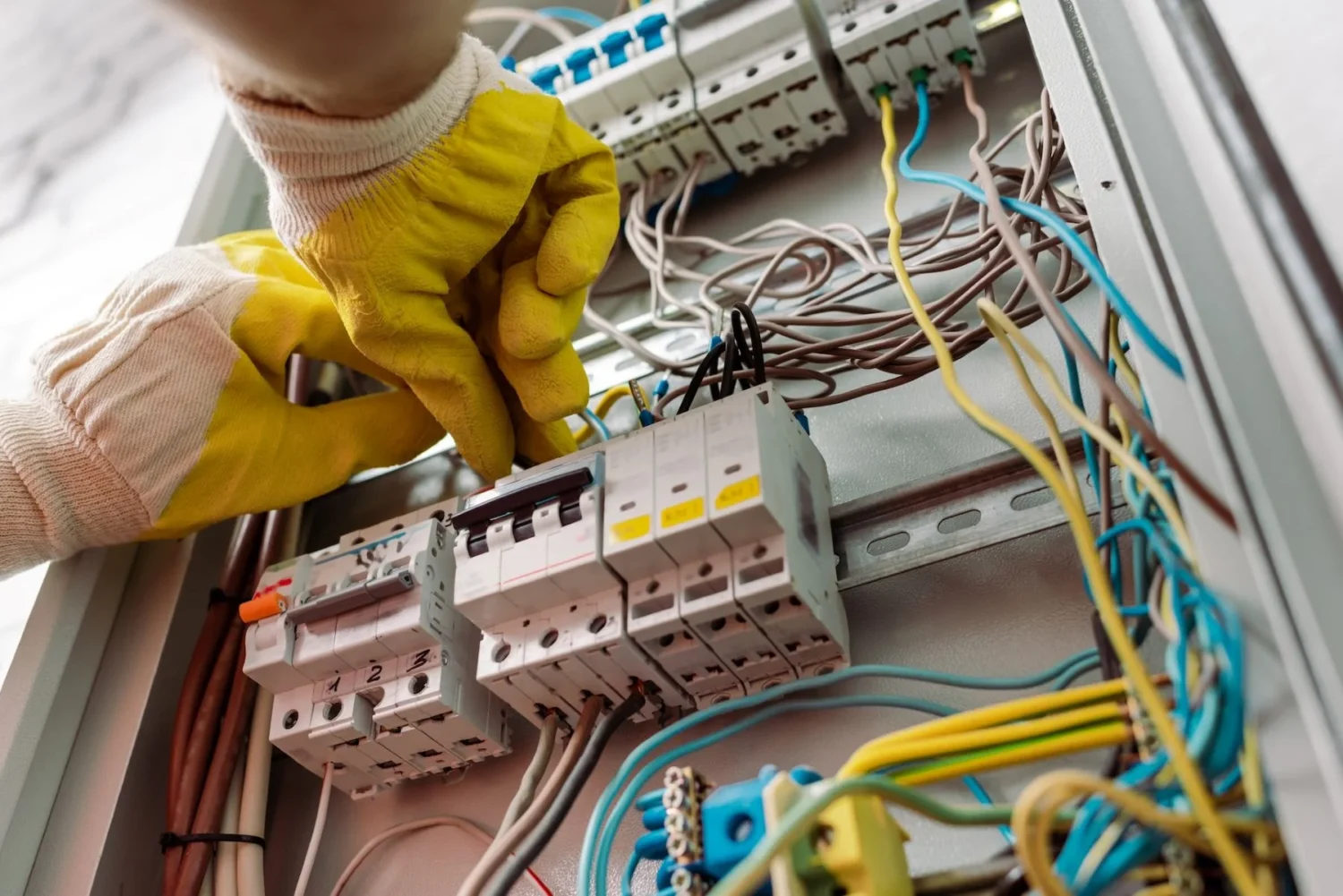

Electrical problems are not something you want to ignore. A flickering light or warm power point might seem minor at first, but small issues can sometimes point to bigger faults behind the walls, in the switchboard or within an appliance circuit.
Knowing when to call an electrician can help protect your home, reduce safety risks and prevent a simple fault from becoming a much more expensive repair. Some electrical issues are obvious, such as sparks or burning smells. Others are more subtle and easy to dismiss until they get worse.
If you notice any of the warning signs below, it is worth getting a licensed electrician to inspect the problem properly.
1. Your Lights Keep Flickering
A light that flickers once may not be a major concern. It could be a loose bulb or a simple fitting issue. But if your lights flicker often, dim unexpectedly or change brightness when appliances turn on, there may be a deeper electrical problem.
Flickering can be caused by loose wiring, overloaded circuits, faulty switches, old fittings or issues with the power supply. It is especially important to act if the flickering affects multiple rooms or happens when large appliances start running.
A licensed electrician can test the circuit and find out whether the problem is isolated or part of a bigger issue.
2. Power Points Feel Warm
Power points and switches should not feel hot. If a power point is warm to touch, discoloured, buzzing or smells unusual, stop using it and arrange an inspection.
Heat can be a sign of loose connections, overloaded wiring or a faulty outlet. These issues can become dangerous if ignored, particularly when appliances are plugged in for long periods.
Do not cover a warm outlet with furniture or continue using it because it “still works.” Heat around electrical fittings should always be taken seriously.
3. Your Safety Switch Keeps Tripping
Safety switches are designed to protect you by cutting power when they detect a fault. If your safety switch trips once, it may be caused by a faulty appliance or temporary issue. If it keeps tripping, there is likely an ongoing problem that needs attention.
Common causes include damaged appliances, moisture in electrical fittings, faulty wiring or overloaded circuits. You may be able to narrow it down by unplugging appliances, but repeated tripping should be checked by an electrician.
A safety switch that trips regularly is not an inconvenience to work around. It is a warning that something is not right.
4. You Smell Burning or See Scorch Marks
A burning smell near switches, power points, lights or the switchboard is a serious warning sign. The same goes for scorch marks, melting, blackened plastic or smoke.
If you notice any of these signs, turn off the power if it is safe to do so and call an electrician. Do not keep using the outlet or fitting.
Burning smells can indicate overheating, faulty wiring or damaged components. Electrical fires can start behind walls or inside fittings, so this is not something to leave until later.
5. Your Switchboard Is Old or Overcrowded
Many older homes were not built for today’s electrical demands. Modern households often run air conditioners, dishwashers, computers, chargers, home offices, pool equipment, security systems and multiple kitchen appliances.
If your switchboard is old, messy, uses outdated components or does not have safety switches, it may be time for an upgrade. An overcrowded switchboard can also make it harder to safely add new circuits.
A qualified electrician can assess whether your switchboard is still suitable and whether it meets current safety expectations for your home.
6. You Rely on Power Boards Too Often
Power boards are useful, but they should not be a permanent solution for a lack of power points. If you have power boards plugged into power boards, extension leads running across rooms, or multiple high-demand appliances sharing one outlet, your home may need additional power points or circuits.
Overloading outlets can create heat and increase the risk of faults. This is especially concerning in kitchens, home offices, workshops and entertainment areas where several devices may be running at once.
An electrician can install additional outlets safely and make sure the circuit can handle the load.
7. You Get Small Electric Shocks or Tingling
If you feel a shock, zap or tingling sensation when touching an appliance, tap, switch or metal fitting, do not ignore it. Even if it feels minor, it may indicate an electrical fault or earthing issue.
This can be particularly dangerous in wet areas such as bathrooms, laundries, kitchens and outdoor spaces. Electricity and moisture are a dangerous combination.
Stop using the appliance or fitting and contact an electrician. Do not assume it is normal or harmless.
8. Outlets or Switches Make Buzzing Sounds
Electrical fittings should operate quietly. If you hear buzzing, crackling, humming or popping from a switch, outlet, light fitting or switchboard, there may be a loose connection or faulty component.
These noises can sometimes happen before a larger failure occurs. They may also be accompanied by flickering lights, heat or a burning smell.
A buzzing outlet is not something to test repeatedly. Turn it off if safe and have it inspected.
9. Your Appliances Keep Losing Power
If appliances randomly turn off, lose power, trip the circuit or only work in certain outlets, the problem may not be the appliance itself. It could be an issue with the outlet, wiring, circuit load or switchboard.
This is common in areas where high-power appliances are used, such as kitchens, laundries, garages and workshops. Ovens, dryers, heaters, microwaves and air conditioners all place demand on the electrical system.
An electrician can test the circuit and check whether the appliance needs a dedicated supply or whether there is a fault in the existing wiring.
10. You Are Renovating or Adding New Appliances
You do not need to wait for something to go wrong before calling an electrician. Renovations, extensions and major appliance upgrades are all good times to check whether your electrical system is suitable.
If you are adding an oven, induction cooktop, air conditioner, outdoor lighting, EV charger, pool equipment or extra power points, it is important to make sure the wiring and switchboard can support the load.
Getting advice early can prevent problems later and make the renovation smoother.
Why DIY Electrical Work Is Not Worth the Risk
It can be tempting to try small electrical fixes yourself, especially if the problem seems simple. But electrical work can be dangerous when done incorrectly, and in many cases it must be completed by a licensed electrician.
A loose connection, wrong fitting or overloaded circuit can create serious safety risks. It may also affect insurance, warranties and compliance if something goes wrong.
Changing a light bulb is one thing. Replacing switches, outlets, wiring, circuits or switchboard components is another. If you are unsure, call a professional.
What an Electrician Will Check
When a Bankstown electrician attends your property, they may test outlets, switches, circuits, wiring, appliances and the switchboard depending on the issue. They will look for signs of overheating, loose connections, overloaded circuits, damaged components and safety switch problems.
The goal is not just to fix the immediate symptom. It is to find the cause so the issue does not keep coming back.
A good electrician should explain the problem clearly, outline your options and let you know whether the repair is urgent or part of a larger upgrade.
Do Not Wait for Electrical Problems to Get Worse
Electrical warning signs are easy to put off, especially when the power still works. But many faults become more dangerous or more expensive when ignored.
If your lights flicker regularly, outlets feel warm, safety switches keep tripping, or you notice burning smells, buzzing sounds or small shocks, it is time to call an electrician. The same applies if your switchboard is outdated, your home relies heavily on power boards or you are adding new appliances.
You Might Also Like