

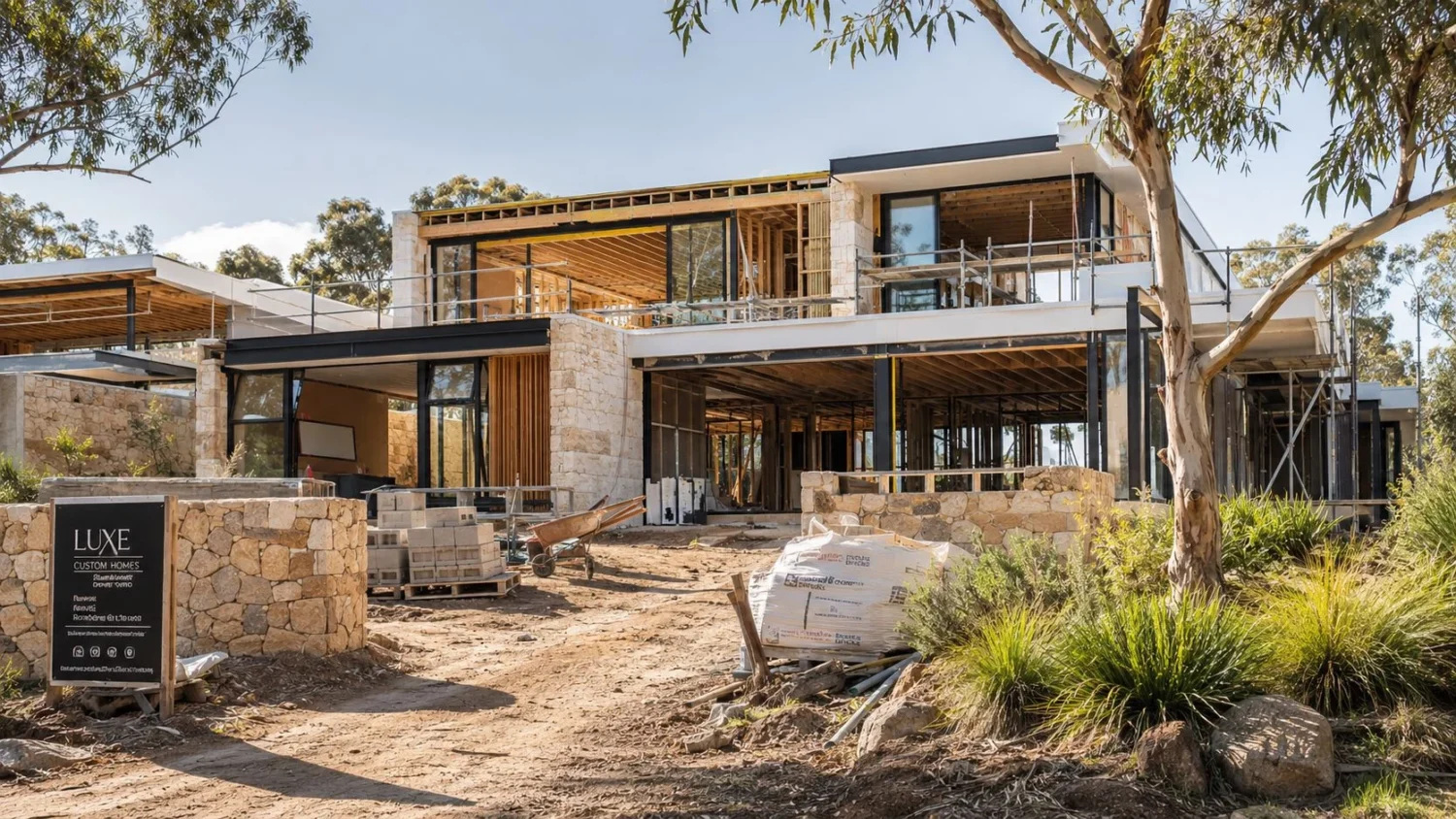

Building a custom home is a thrilling adventure. You get to choose every detail from the kitchen tiles to the layout of the backyard. Standard mortgages do not work for this type of project.
You cannot access a massive lump sum upfront when there is no finished house to secure the loan. This is where specialized funding structures step in to bridge the gap. Understanding how these financial setups operate keeps your build moving smoothly without unexpected financial hurdles.
Getting the Right Guidance Early
Building a home gives you complete creative control over your future living space. Chatting with a skilled broker in North Brisbane gives you a clear picture of your budget before you sign a building contract. This preliminary step saves you from falling in love with designs you cannot afford.
Lenders view vacant land differently than an established house. They evaluate your building plans alongside your financial background to calculate total risk. Having professional guidance makes navigating these strict lending criteria much easier.
A local financing specialist evaluates your situation against current market rates. They help you organize paperwork like land contracts and council permits. This saves time and minimizes stress during the early planning stages.
How These Specialised Loans Work
A standard mortgage drops the full amount into your account at settlement. A financial portal managed by the Australian government notes that these specific setups are designed solely for individuals building a residence. You do not receive the full loan amount at the beginning of the project.
Instead, your lender holds the funds and distributes them as the building progresses. An independent medical finance group mentions that these loans are approved for major renovations or full custom builds. This structure protects both you and the bank from funding an incomplete structure.
This progressive disbursement method guarantees that the builder is only paid for completed work. It gives you leverage if the construction quality fails to meet expectations. The bank inspects the site at specific intervals to verify progress before releasing cash.
The Mechanics of Progressive Drawdowns

The standout feature of this setup is the staggered payment process. An indigenous homeownership resource states that borrowers can progressively withdraw cash from their loan account up to an approved limit when payments are due to the builder. You only pay interest on the money that has been paid out. This means your monthly repayments start small and scale up as your house nears completion.
A defence housing authority highlights that these arrangements usually involve around 4 drawdown milestones before the project finishes. These stages divide the building timeline into clear financial steps:
– Foundations and concrete slabs are poured first to secure the base.
– Wall frames and roof trusses are erected to shape the property.
– External walls and roofing are completed to protect the interior.
– Interior plastering and plumbing fixtures are installed last.
Getting the Green Light to Build
You cannot simply tell your builder to start digging the moment your loan gets initial approval. A state planning portal reminds future homeowners that you cannot begin construction until your bank provides formal authority to go ahead. The lender needs to review your final council-approved plans and insurance policies first.
This validation process confirms that the funds match the exact specifications of the approved build. Once the bank is satisfied with the paperwork, they issue an official letter to release the first payment stage. This step protects you from starting work without guaranteed backing from your lender.
Missing documents can delay your start date by several weeks. Cooperating closely with your builder to gather engineering reports and council approvals accelerates this process. Once the lender reviews everything, they give the formal nod to begin.
Managing Your Build Timeline
Time management is critical when coordinating a custom build. A major national bank notes that you have 24 months from the date of your first drawdown to complete the build. This timeline keeps the project moving forward and prevents endless delays. If your builder encounters delays, you must communicate with your lender immediately to adjust expectations.
Another major financial institution explains that progressive access to money gives you the freedom to design a property that suits your lifestyle. This flexibility is perfect for custom builds where unique architectural details require careful execution. Staying within the timeline keeps your interest-only period predictable.
Navigating the world of custom construction funding requires patience and clear communication. Matching your build stages with a structured payment plan keeps your project on track. With the right financial foundation in place, you can watch your dream home become a reality without unnecessary financial stress.

