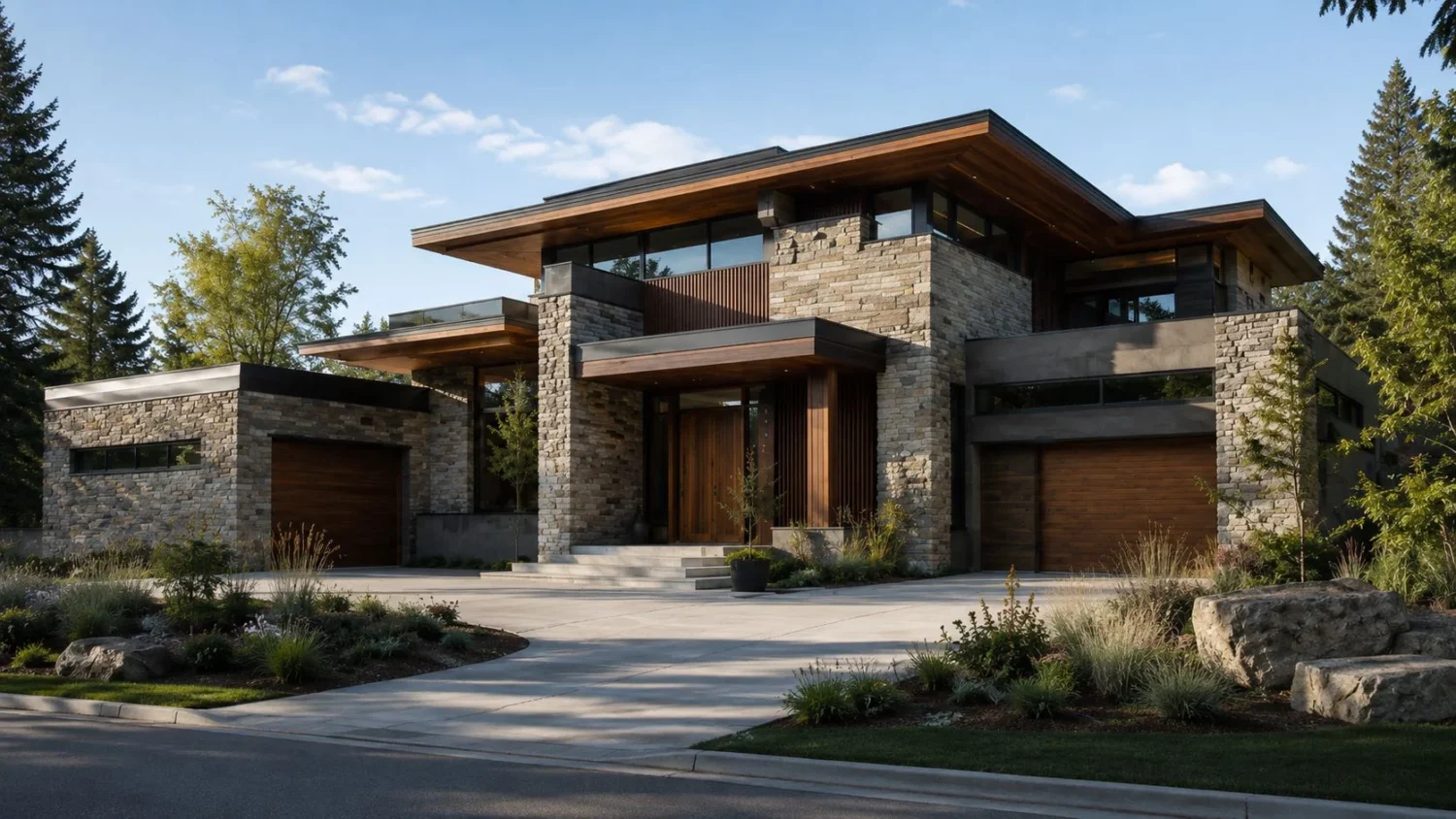

Building a custom home is one of the few opportunities you have to think beyond what looks beautiful today and consider how the home will actually perform over the years ahead. The best custom homes are not only designed around lifestyle, views, entertaining and finishes, but also around durability, security, maintenance and long-term comfort.
This is where the planning stage becomes so important. When materials, technology, layout and protective features are considered early, they can be worked into the home in a way that feels natural rather than added on later. The result is a home that looks refined, functions well and continues to feel safe, practical and enjoyable long after move-in day.
Choosing Materials That Last
A home that stands the test of time starts with the materials. In Australia, that means thinking carefully about sun exposure, rain, coastal air, heat, storms and, in some areas, bushfire risk. A material might look beautiful in the showroom, but the real question is how it will perform after years of weather, wear and everyday family life.
For exterior walls, non-combustible cladding such as fibre cement or steel can be a smart choice, particularly in fire-prone areas. For flooring, polished concrete and engineered timber remain popular because they offer durability without feeling overly utilitarian. Outdoors, composite decking can be a practical option for homeowners who want the look of timber with less ongoing maintenance.
These choices do not need to compromise the look of the home. In fact, some of the most timeless custom homes are those where the materials have been chosen for both their appearance and their longevity. Stone, concrete, timber, brick, steel and high-quality cladding can all bring texture and character, while also helping the home age well.
Planning Security From the Start
Security is often thought about after the home is finished, but in a custom build it makes far more sense to consider it during the design stage. This allows wiring, cameras, sensors, lighting and access points to be planned properly, rather than retrofitted in ways that can interrupt the architecture.
A well-designed system might include cameras, smart locks, motion sensors, alarms and remote access, but good security is not just about technology. It is also about visibility, entry points, lighting and the physical strength of doors and windows. When you are designing a home security system, the aim should be to create several layers of protection without making the home feel closed in or defensive.
It is also worth thinking about what you are protecting inside the home. While building insurance generally covers the structure, furniture, art, electronics and personal belongings may need to be covered separately. For homeowners wanting a clearer understanding of contents cover, this guide from Urban Renters agent provides a useful overview of how contents insurance works.
Doors, Windows and Everyday Protection
In a luxury custom home, security needs to work with the design, not against it. Large windows, sliding doors, courtyards and indoor-outdoor living areas are often part of what makes the home feel special, so the challenge is to protect these spaces without taking away their openness.
High-quality security screens and security doors can be a strong part of this approach, especially when they allow natural light and airflow to remain part of the home. For many homeowners, this is far more appealing than relying only on alarms or cameras, because it adds a physical layer of protection while still supporting the way the home is lived in.
Lighting is another simple but powerful consideration. Entryways, driveways, garden paths and side access areas should be well lit, not only for safety but also for everyday convenience. Landscaping also plays a role. Tall, dense planting directly against the home can create hidden areas, while a more open approach around windows and entry points can help maintain visibility.
Protecting the Home From Water and Weather
A secure home is not only protected from intruders. It also needs to be protected from the kinds of damage that can slowly create major problems over time. Water is one of the biggest risks, which is why waterproofing, drainage, gutters and site planning should never be treated as secondary details.
Bathrooms, laundries, balconies and other wet areas need careful attention, particularly in a custom home where design features may be more detailed than a standard build. Outside, drainage should move water away from the home’s foundations, while rooflines and gutters need to be planned for heavy rainfall as well as everyday maintenance.
Smart water leak detectors can also be useful in areas such as laundries, kitchens, bathrooms and under sinks. These small devices can alert homeowners to moisture before it becomes a much larger issue, which can make a significant difference in protecting flooring, cabinetry and structural elements.
Designing for the Future
A custom home should feel current, but it also needs to be able to adapt. Technology will continue to change, and the homes that cope best are usually those with strong wiring, a reliable network setup and flexible infrastructure behind the walls.
This is particularly important as more elements of the home become connected, from lighting and climate control to security, irrigation, appliances and entertainment. Planning for this early can make future upgrades much easier and help prevent the home from feeling outdated too quickly.
Future-proofing is also about maintenance. Choosing durable materials, planning access for repairs, allowing for upgrades and avoiding overly complicated systems can all help the home remain practical over time. A custom home should be beautiful, but it should also be manageable.
A Home Built for Real Life
The most successful custom homes are those that feel personal, beautiful and easy to live in, but also strong enough to handle the realities of climate, technology, security and everyday use. That does not happen by accident. It comes from making smart decisions early and seeing durability as part of the design, rather than something separate from it.
By choosing materials carefully, planning security from the beginning and thinking about how the home will perform over the next decade and beyond, homeowners can create a residence that offers much more than immediate impact. They can create a home that continues to feel safe, comfortable and well made for years to come.
You Might Also Like