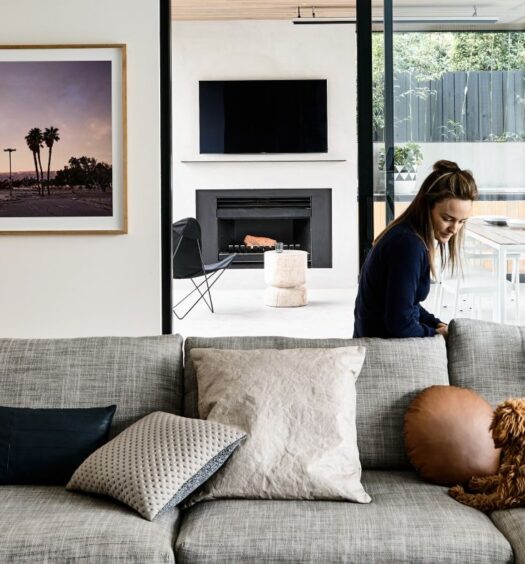

Increasingly, contemporary custom homes are celebrating materials such as concrete, stone and glass – surfaces that create striking interiors defined by clarity, light and structure. Yet these same material choices can also influence how a home feels to live in, affecting everything from acoustics to thermal stability and overall indoor comfort when systems are not thoughtfully integrated.
A recently newly renovated residence in Melbourne’s bayside suburb of St Kilda demonstrates how innovative climate control solutions can support the broader Indoor Environment Quality (IEQ) of a home..
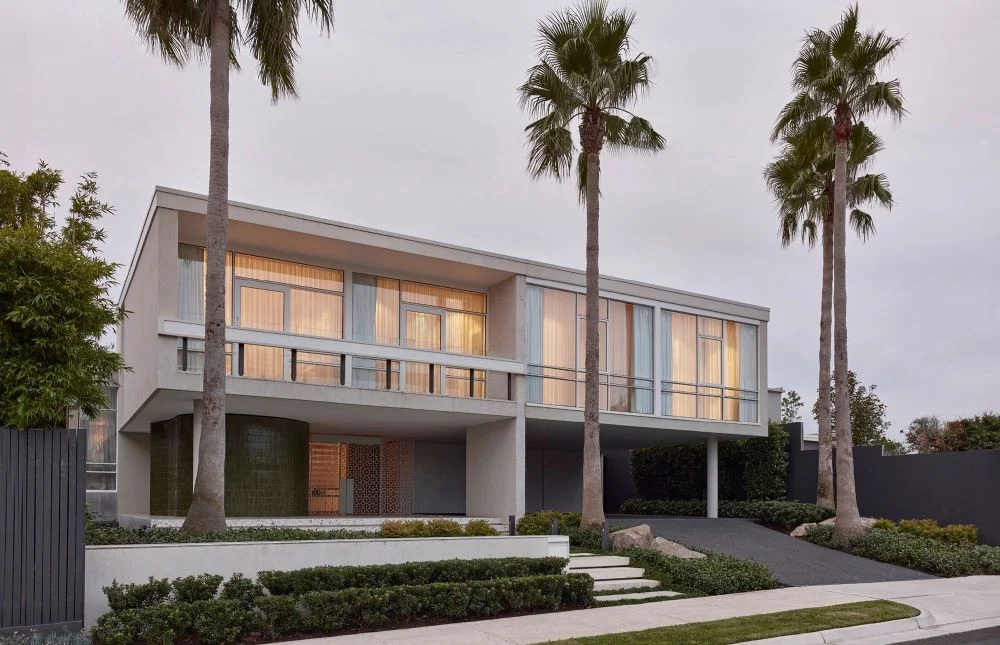
Designed by architects BayleyWard and delivered in collaboration with the project’s builder Cobild, the home combines striking sculptural concrete architecture with carefully composed interior spaces that remain calm and comfortable to inhabit. However, achieving that level of comfort required more than architectural vision alone. It also called for thoughtful engineering to support Indoor Environmental Quality across the home, including acoustic control, even air distribution and consistent thermal comfort within an environment shaped by hard surfaces and expansive open living spaces.
Architecture Defined by Form and Light
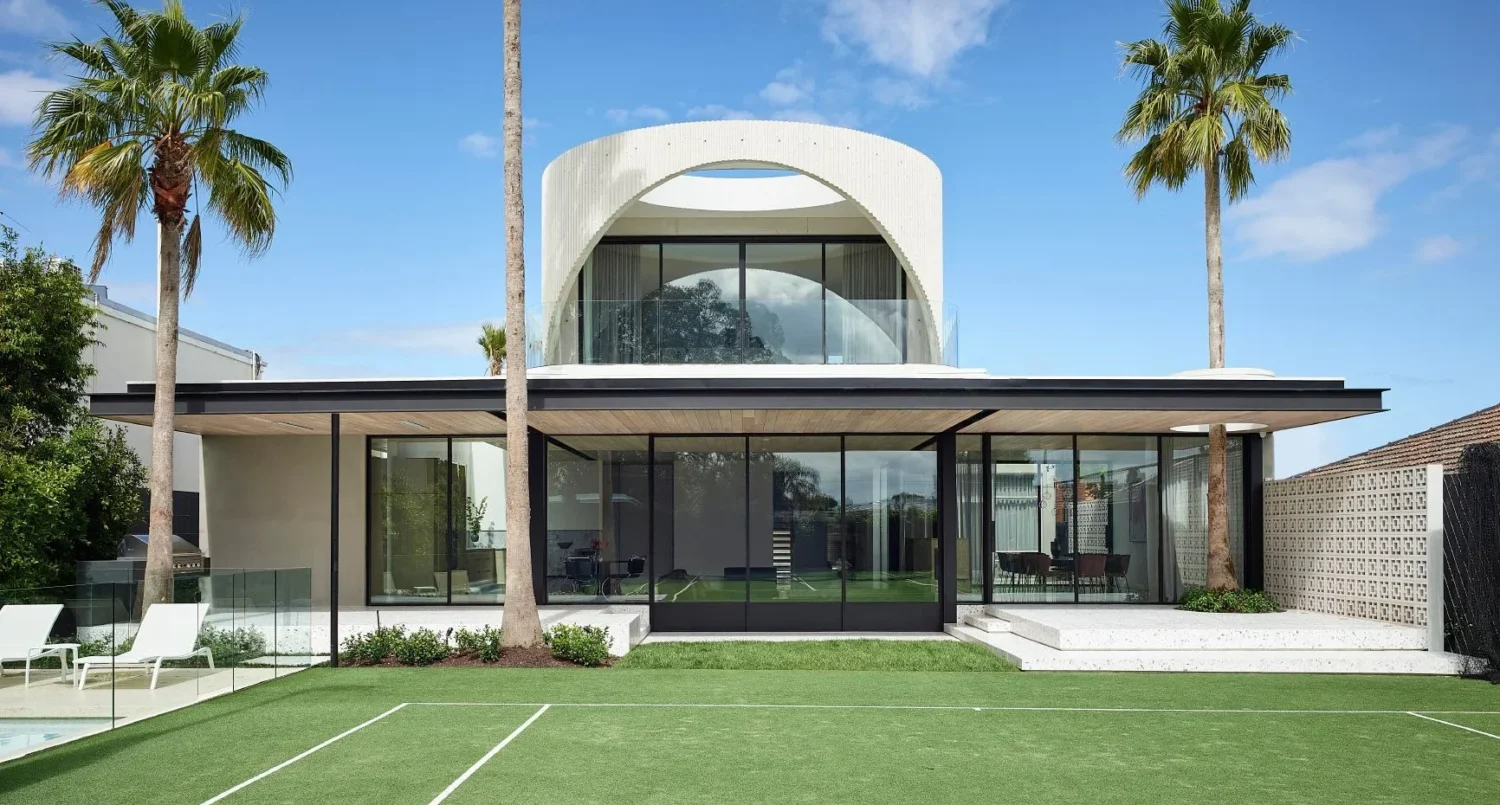
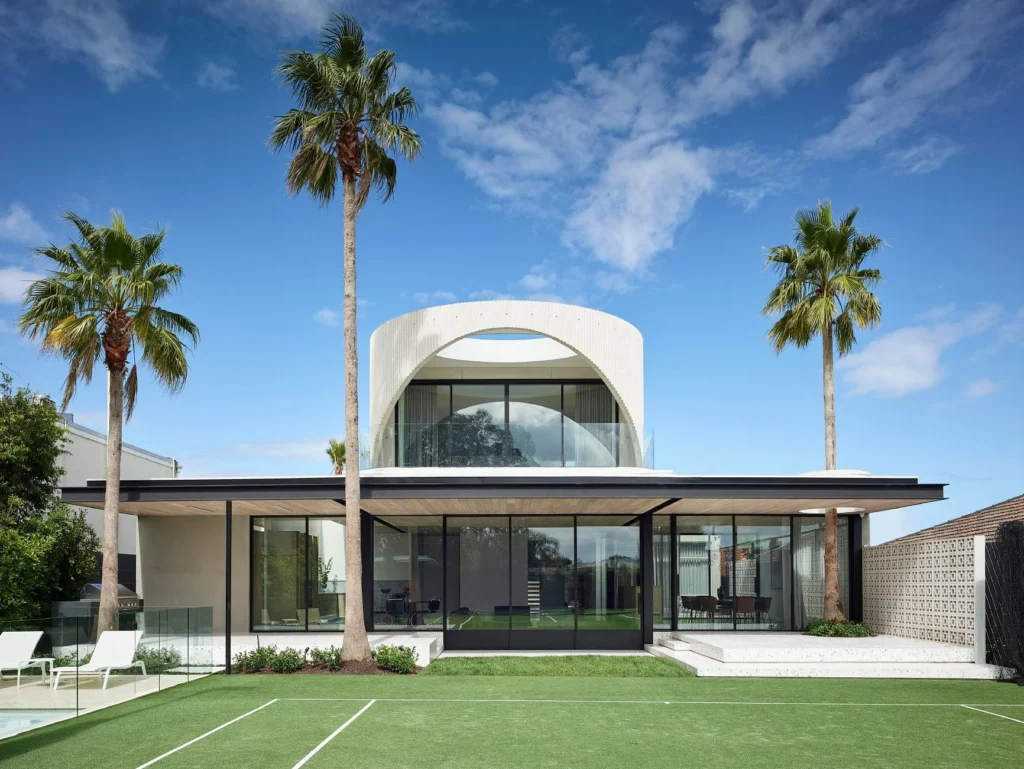
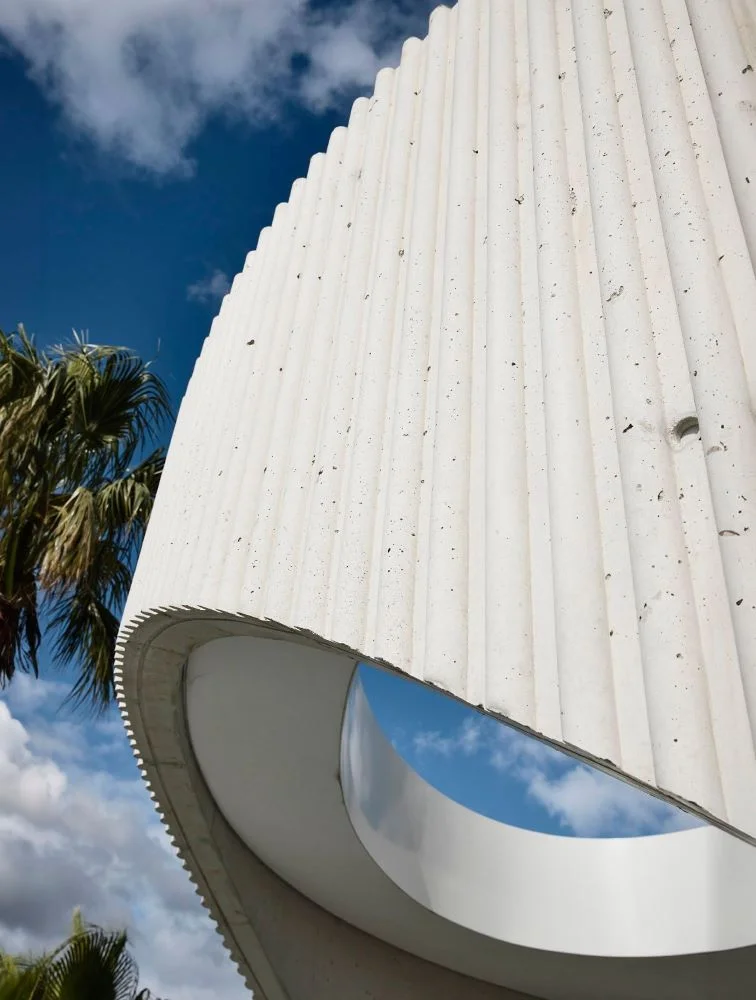
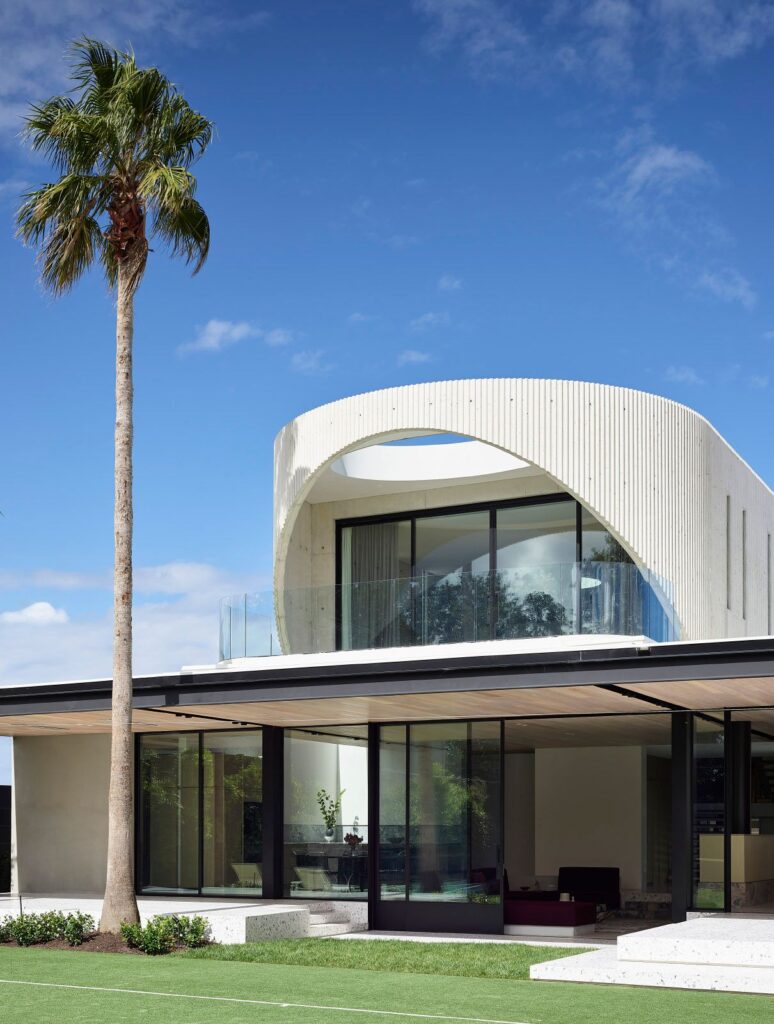
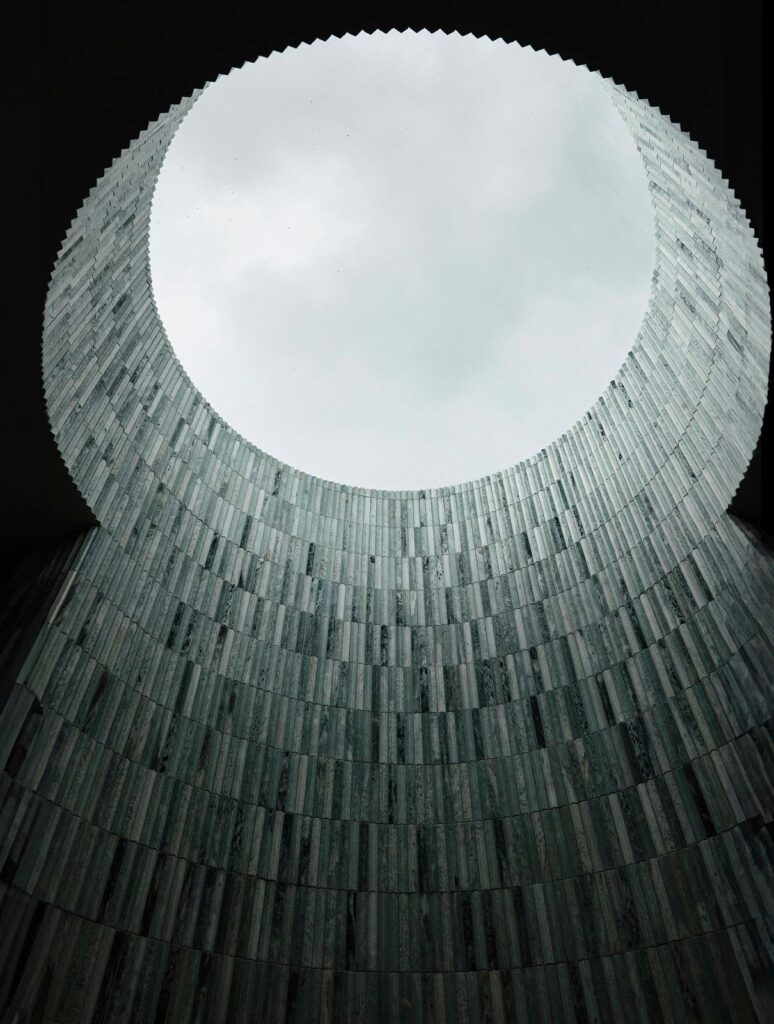
The ‘Hollywood’ inspired design makes an immediate impression with its striking curved upper level, which seems to float above the more grounded base of the house below. A bold circular opening in the façade frames the sky and pours natural light into the upper living areas, becoming a sculptural feature that gives the home its distinctive identity.
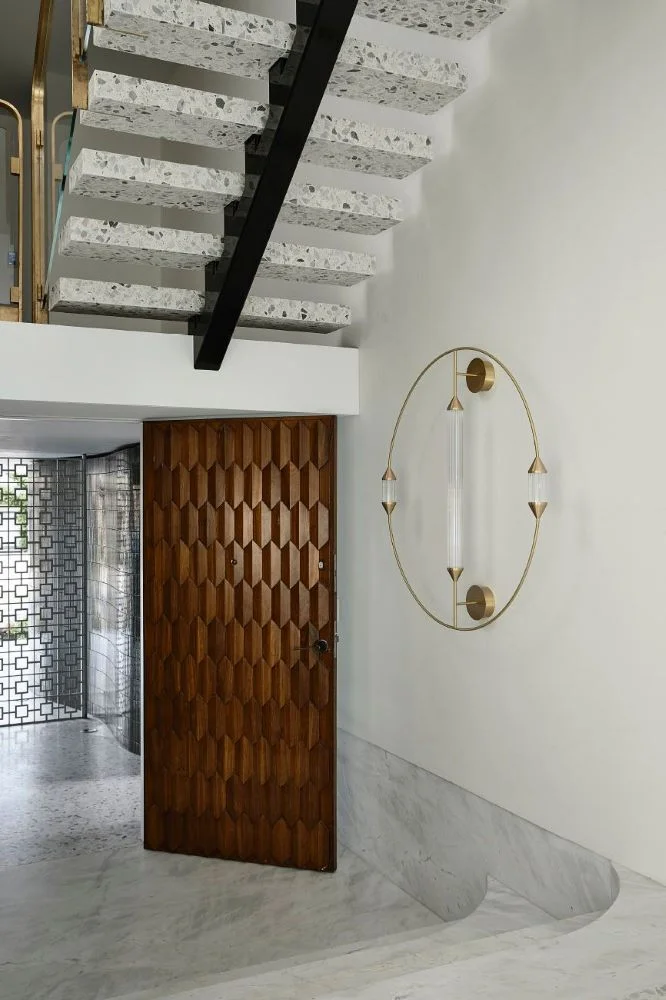
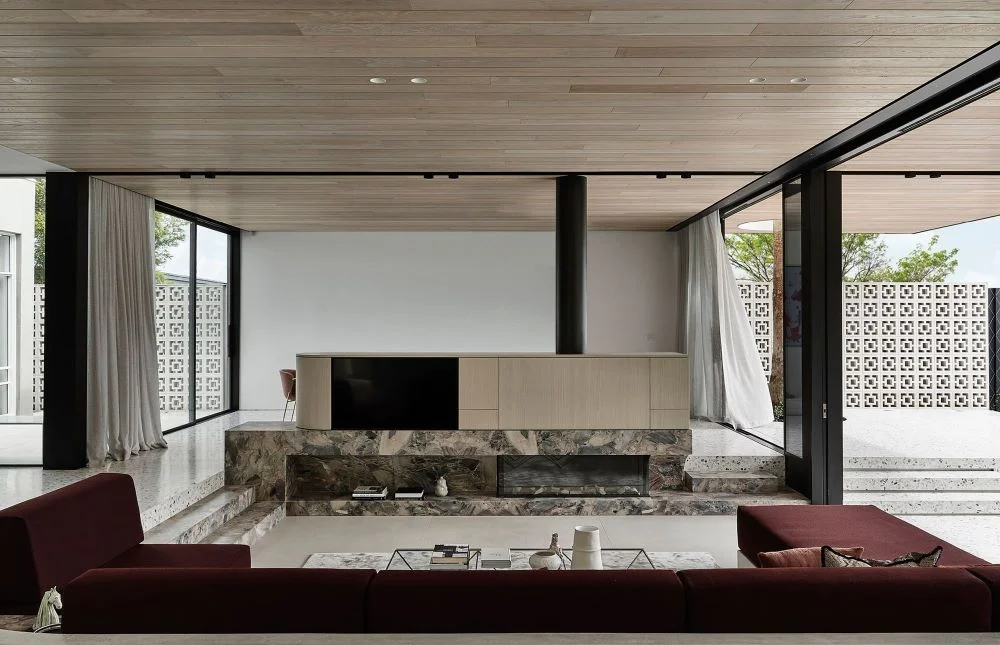
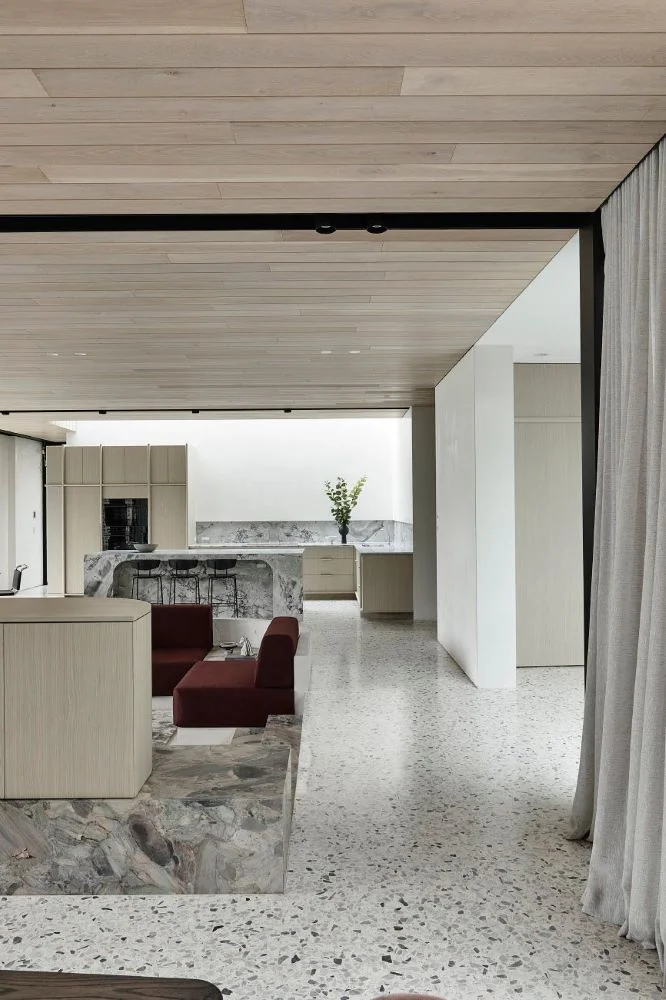
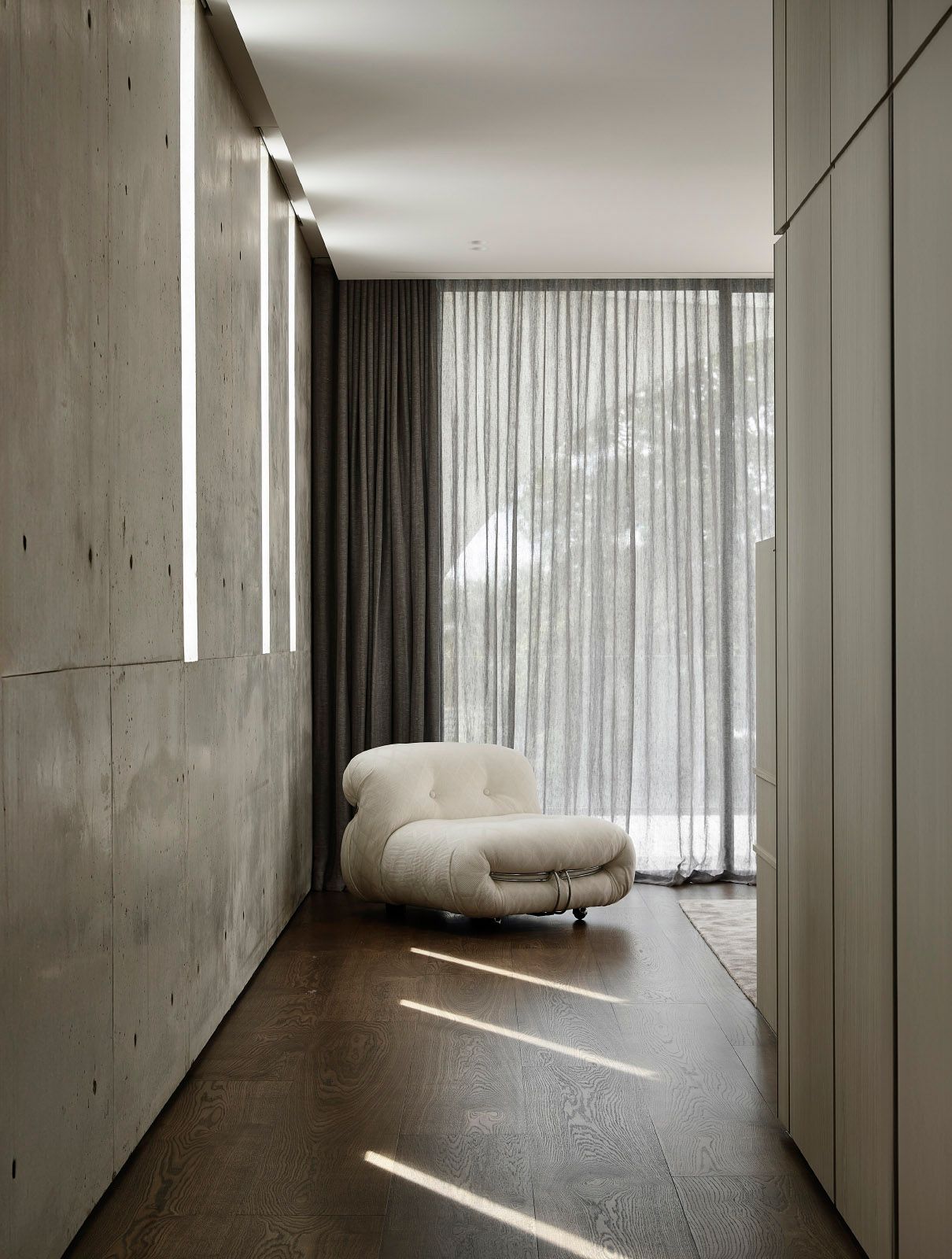
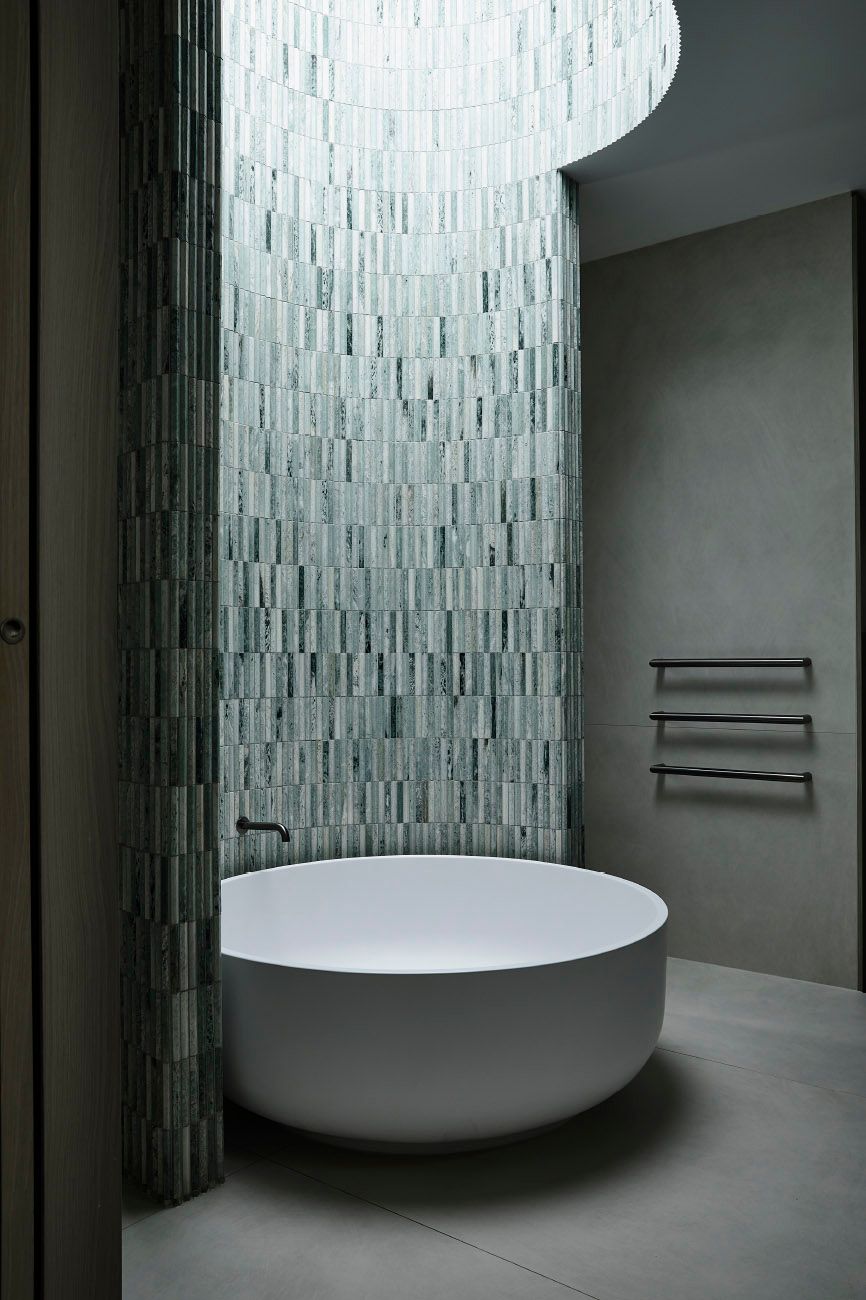
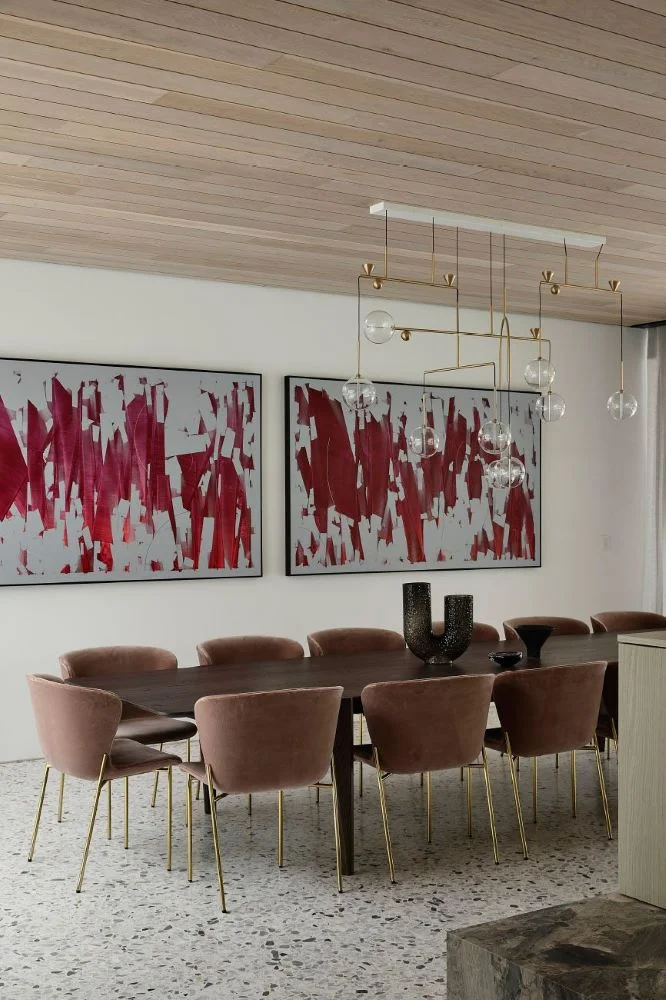
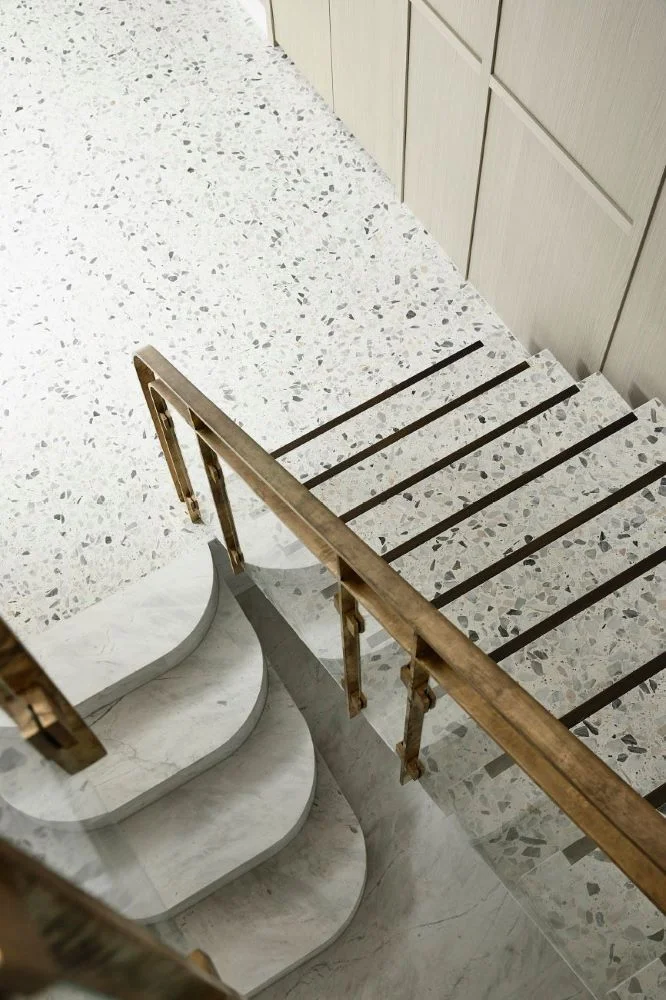
At ground level, large expanses of glass slide open to the garden, blurring the line between indoors and outdoors and filling the home with natural light throughout the day. Inside, warm timber ceilings soften the strength of the concrete structure, while natural stone and textured finishes create spaces that feel both calm and inviting.
The result is dramatic – a striking contemporary residence shaped by bold architecture and powerful materiality. In a home where form and surfaces make such a strong statement, even the smallest disruptions become noticeable, making it essential that systems such as heating and cooling operate seamlessly in the background.
Managing Acoustics Within the Design
The acoustic environment within a home plays an important role in how a space ultimately feels to live in. While architecture and materials shape the visual experience, mechanical systems can have an equally significant impact on the atmosphere of a house. One of the most common sources of background noise in modern homes is the heating and cooling system itself.
For BayleyWard, ensuring the climate control system supported the overall living experience within the house was an important part of the brief. Rather than relying on a conventional air-conditioning installation, the team worked with AirSmart to develop a system that could deliver effective heating and cooling while also contributing to a higher level of Indoor Environmental Quality throughout the home.
A System Designed Around the Home
The solution was carefully designed to suit the layout and architecture of the house itself. One of the key advantages of the AirSmart system is its versatility, allowing the climate system to be integrated discreetly within the visual design of a home without disrupting the architectural language. Air outlets can be incorporated within ceiling details and shadowlines so they remain visually unobtrusive while still delivering effective air distribution throughout the space.
For this project, key equipment was positioned away from the main living areas, including locating fan coil units above the laundry on the ground floor and near the stairwell on the upper level. Increasing the distance between mechanical equipment and the primary living zones helps limit the transfer of sound into the spaces where the family spends most of its time.
Additional measures were incorporated where required, including acoustic wrapping of fan coil units and lining surrounding structures to further reduce the potential for noise transmission.
Equally important was the design of the air distribution system – by creating a low-resistance duct layout, the system can move air efficiently throughout the home while operating at lower fan speeds helping to maintain comfortable conditions without introducing unnecessary background noise.
Quiet Comfort Behind the Architecture
For a house as visually striking as this one, balancing architectural expression with day-to-day comfort was an important part of the overall outcome. Working with AirSmart allowed the climate system to be integrated in a way that supports not only the performance of the home, but the quality of the internal environment experienced by the people living in it.
Increasingly, that broader sense of Indoor Environmental Quality is becoming an important measure of luxury in contemporary homes. While architecture and interiors may shape first impressions, the lasting quality of a home is often felt in its air, temperature stability, acoustic comfort and overall sense of wellbeing across the seasons. In this case, AirSmart’s solution helps support a home that feels as refined to live in as it appears on first glance.
For homeowners and architects interested in exploring advanced climate systems for architecturally designed homes, consultations with AirSmart can be arranged by:
Calling 1300 555 935 or visiting their website – airsmart.com
Tags
Advanced Climate Control Systems Air QUality AirSmart Architectural HVAC solutions BayleyWard Architects Concrete Coastal Home Contemporary House Custom Homes Custom Homes St Kilda Custom HVAC Solutions Customisable HVAC systems Home Automation System HVAC noise reduction IEQ Indoor Environment Quality Indoor Environments Quiet Air Conditioning solutions Quiet HVAC St Kilda Custom HomeYou Might Also Like