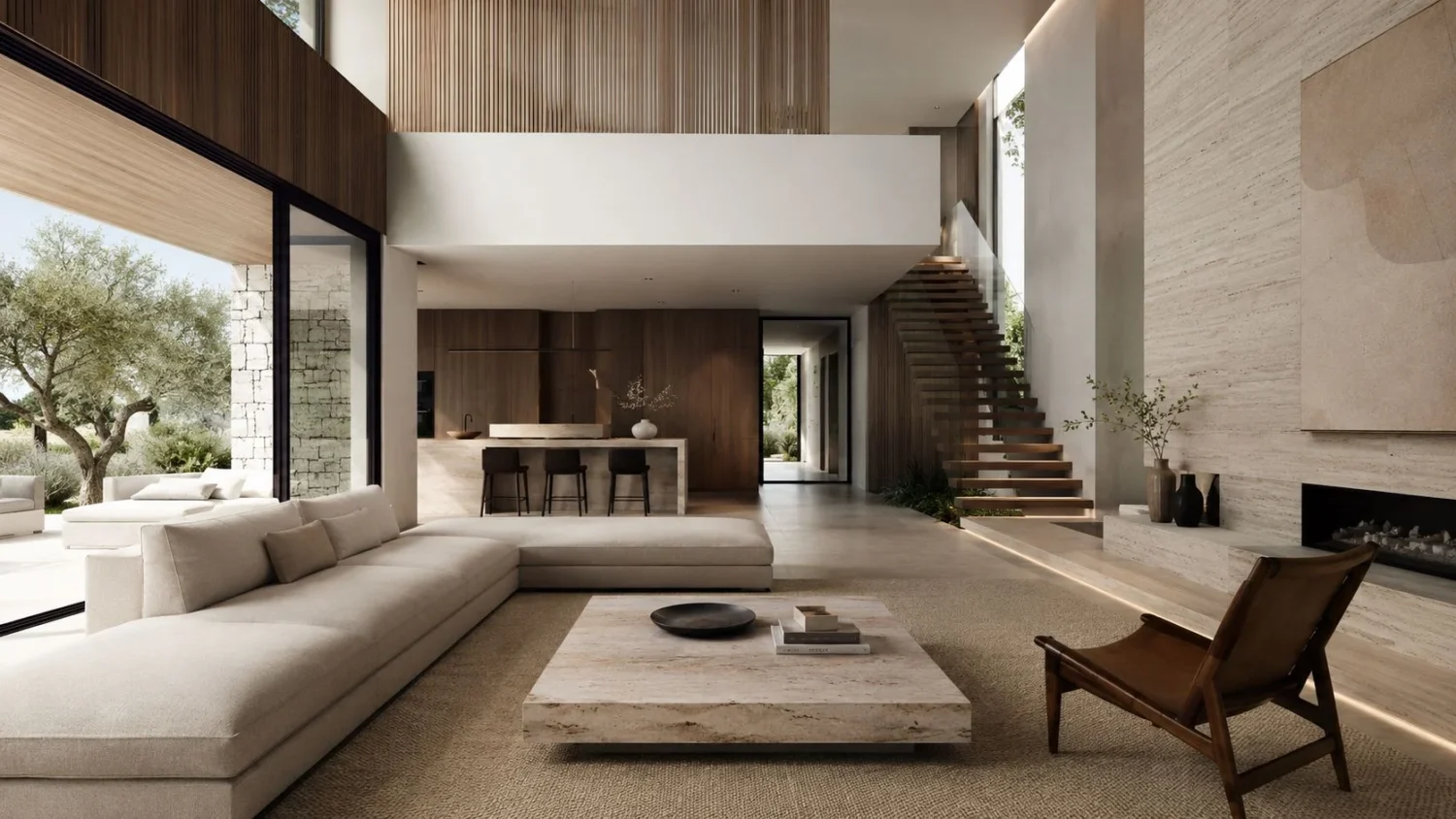

Stripping away the chaos of everyday life starts at home. A minimalist space offers a quiet refuge from a loud world. It is about clearing physical clutter to create mental space. You can build a home that feels both clean and deeply welcoming.
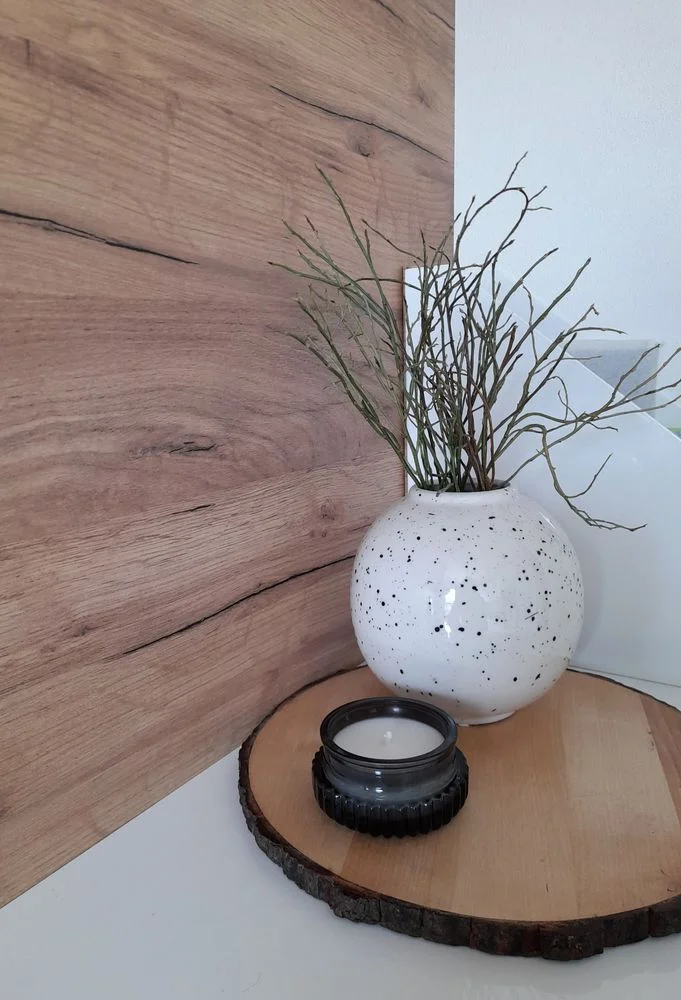
Clear the Visual Noise
Clutter creates unneeded mental friction. Clutter forces your brain to process extra information constantly. Start by clearing off your flat surfaces. Kitchen counters, coffee tables, and desks should remain mostly bare. Keep only items you use daily out in the open.
Store remaining necessities inside closed cabinets or drawers. This strategy hides the visual chaos. It leaves your rooms looking neat and organized. A clean surface instantly makes any room feel larger.
When you limit the number of items on display, your eyes rest easily. This visual rest lowers stress levels after a long day. Every object left out should possess a beautiful shape or a daily function.
Introduce Warm Tones
Pure white rooms can sometimes feel cold or clinical. A popular interior design blog suggests using warm off-whites, beiges, and browns for your walls to support the rest of your decor. These shades add instant comfort. They keep the space feeling bright without making it look sterile.
You can also use these tones on your floors. Deeply toned rugs can anchor a seating area beautifully. They offer a soft place for your feet while keeping the overall look grounded.
Warm tones make big spaces feel more intimate. They reflect light softly, creating a soothing glow during evening hours. Pairing these wall colors with light wood floors enhances the natural feel. You achieve a balanced environment that feels clean but never empty.
Focus on Living Room Art
Choosing the right pieces keeps your space from looking empty. Adding artwork for living rooms allows you to introduce personality without adding physical clutter. Large canvas prints can act as a beautiful focal point on a main wall.
Select pieces that share a similar color story. Framing your prints in simple black or wood frames keeps the look cohesive. This approach lets the art speak for itself.
A single large frame works better than a crowded gallery wall. It creates a powerful impact without scattering the viewer’s attention. Keep the placement intentional, hanging the piece at eye level.
Layer Cozy Fabrics
Minimalism does not mean sacrificing comfort. A design video explains that modern interiors are shifting toward warmth and emotional comfort. You can achieve this by choosing the right fabrics. Look for rich upholstery on your main furniture pieces.
– Choose a soft boucle or textured linen fabric for your sofa.
– Add a heavy knit throw blanket over the back of a chair.
– Pick linen curtains that puddle slightly on the floor.
These elements add a tactile quality to the room. They make the space feel inviting.
– Use woven storage baskets to hold extra pillows out of sight.
– Place a soft wool rug under the coffee table to soften the footsteps.
– Select velvet accent cushions in muted earth tones to add depth.
Texture replaces the need for bright colors or busy patterns. It provides visual interest through touch and shadow. A room filled with varied textures feels rich and complete, even with very few objects inside.
Select Functional Furniture
Every piece of furniture needs a clear purpose. Avoid buying extra chairs or tables just to fill empty corners. Choose items with sleek silhouettes and clean lines. Low-profile sofas and floating shelves keep sightlines open.
Multi-functional furniture works best. Look for coffee tables with hidden storage compartments underneath. A storage ottoman can hold extra blankets while serving as a footrest. This keeps your living area highly functional.
Invest in quality over quantity. A well-crafted wooden dining table lasts for decades and holds its own visual weight. You need fewer decorative items when the furniture itself is beautiful.
Maximize Your Natural Light
Bright rooms feel naturally more spacious and open. Keep window treatments light and simple. Sheer curtains allow sunlight to filter through while maintaining your privacy.
Avoid blocking windows with large furniture pieces. Let the daylight reach the furthest corners of the room. Sunlight reflects off light walls to make the entire home feel airy.
Mirrors can help bounce light into darker hallways. Place a large mirror opposite a window to duplicate the natural illumination. This simple trick makes narrow spaces feel twice as wide.
Maintain Open Pathways
A minimalist layout values the space between objects. Leave plenty of room to walk around your furniture comfortably. Avoid pushing every single piece against the walls, which can make a room look tight.
Floating your sofa in the center of the room can create a better flow. It allows air and light to circulate freely. A spacious floor plan promotes a feeling of freedom and relaxation.
Keep walkways completely clear of cords, toys, or small footstools. Walking through your home should feel effortless. This open arrangement highlights the architecture of your house.
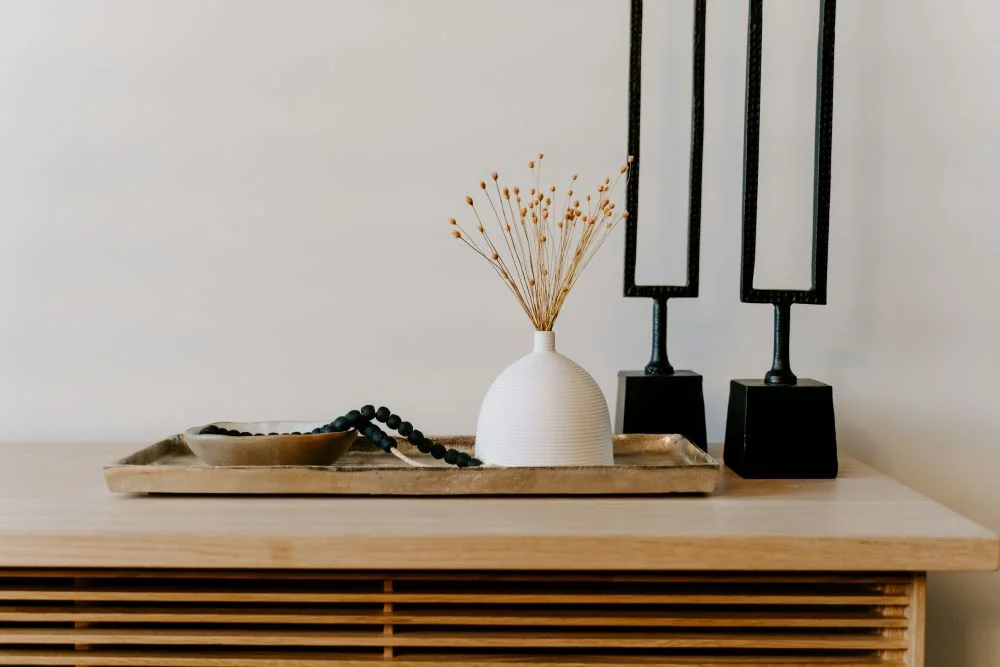
Creating a calm environment is a journey. It takes time to find the right balance between simplicity and comfort. By focusing on intentional choices, you can create a beautiful sanctuary. Enjoy the process of shaping a space that truly lets you breathe.
You Might Also Like