Building a custom home requires clear work areas, structured project schedules, and protected belongings. Moving premium furnishings away from active construction sites shields household items against heavy machinery, fine masonry dust, and structural alterations. Taking structured preparation steps keeps your sofa sets, timber dining tables, and delicate accents pristine throughout the build. Proper early planning eliminates last-minute moving stress when site work starts on your dream property.
Securing Offsite Storage Solutions for Custom Builds
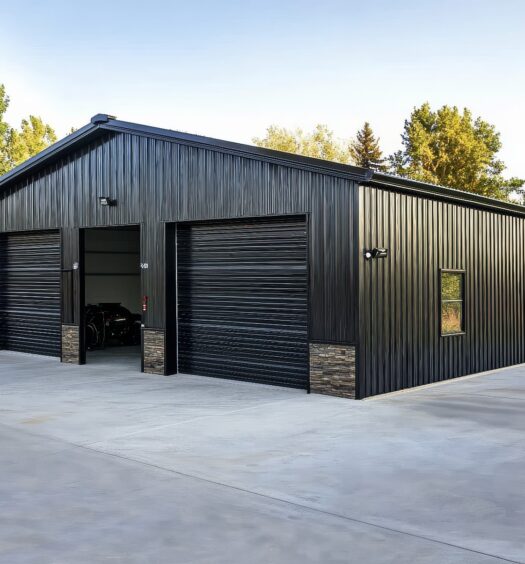
Building contractors need clear floor space to lay hardwood floorboards, raise internal wall framing, and run electrical wiring safely. Booking flexible renovation storage keeps your designer furniture completely secure as tradespeople move across the job site. Offsite facilities offer your custom builder complete freedom to execute architectural finishes without spatial bottlenecks.
Relocating interior items into secure self-storage preserves furniture against construction dust and gives trade teams room to work efficiently. Selecting a facility near your construction site makes inventory checks straightforward during the multi-stage build. Short travel distances reduce transport stress for delicate items across months of active construction.
Prepping and Disassembling Your Interior Pieces
Taking time to disassemble furniture conserves valuable storage space and reduces damage risk during transit. Large timber or metal frames profit from systematic teardowns before transport onto moving trucks.
– Taking apart large bed frames, long dining tables, and modular sofas before loading trucks.
– Wrapping exposed wooden corners in thick padded blankets to shield surfaces from structural scrapes.
– Storing screws, bolts, and small hardware inside labeled bags taped directly to matching furniture frames.
Protecting polished finishes before transport prevents deep scratches from truck vibration. Disassembled frames stack far better inside enclosed storage compartments, saving rental square footage and total storage costs. Organized teardowns simplify reassembly when your custom home build reaches completion.
Packing Smart for Air Circulation and Safety
Placing furniture onto wooden pallets keeps items safely off cold concrete floors. Avoiding heavy top-stacking and leaving small gap spaces along facility walls permits proper air circulation around stored pieces. Positioning items with intention protects delicate upholstery from heavy structural crushing.
Correct item spacing inside your unit prevents dampness build-up throughout long residential builds. Free air paths stop stale air from settling inside upholstery fibers over extended rental months. Breathable cloth covers offer protection without trapping indoor humidity. Adding desiccant packs inside your unit protects high-end leather pieces further against seasonal temperature changes.
Staging Stored Items for a Smooth Handover
Organizing your stored items by room priority saves effort when moving back into your newly built residence. Place secondary items needed late in the build near the back wall of your unit. Keep primary bedroom sets near the front door for fast unloading on move-in day.
Labeling every box on 3 sides accelerates unpacking inside multi-level floor plans. Clear staging habits reduce physical exhaustion when handover day arrives. Systematically grouping items by floor level makes the final moving day painless. Unpacking high-priority living spaces first makes your new residence instantly livable for your family. Staging furniture thoughtfully creates a seamless transition into your finished custom home.
Custom home builds progress far more smoothly when furniture protection gets early attention. Protecting designer furnishings throughout major residential builds maintains quality for day 1 in your new living room. Strategic storage choices keep your favorite interior items safe, intact, and ready for your new house reveal.
You Might Also Like