

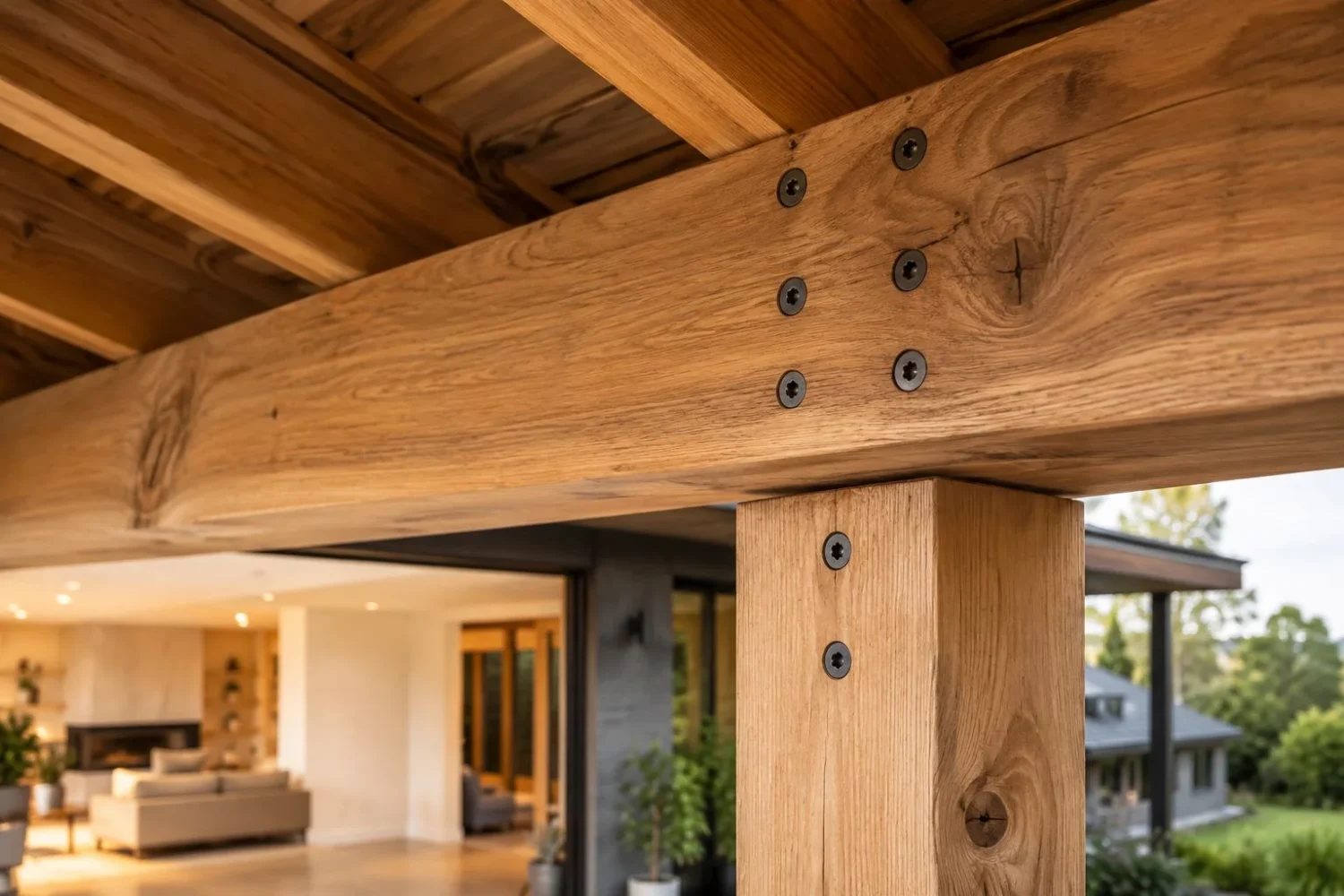

Large timber beams can look great in an open living space or a large commercial building design. Heavy loads can make these massive wooden supports bend or sag over the years. This structural movement can completely ruin the safety of a home.
Choosing the right heavy hardware prevents these structural issues before they can even start. Premium fasteners keep everything straight and safe for the long haul. They stop the wood from shifting under extreme atmospheric pressure.
Understanding Timber Sag Mechanics
Wood naturally flexes when heavy objects rest on top of a residential roof frame. This downward pressure puts a huge amount of stress on structural timber joints. Standard nails often slip out under this constant downward force.
Finding heavy-duty hardware is simple if you know where to look. If you take a look at the Screws and Fasteners online store, you’ll see there are many commercial-grade options for your build. Specialized parts offer much better grip than common retail hardware.
When fasteners fail to grip, the heavy wood shifts out of proper alignment. This small movement creates wide gaps in the main frame. The entire roof line can dip if the gaps grow too wide.
How Heavy Loads Damage Structures
Wood combined with concrete often creates a major weight burden on a house foundation. A report from a materials science publication found that timber-concrete composite designs lower the dead load of a building. This reduction helps lower seismic risks significantly.
Heavy dead loads pull down on beams constantly during the long lifespan of a modern house. Standard retail fasteners cannot handle that intense downward force for long periods. They begin to bend slowly, allowing the heavy timber to drop well below its safety line.
Premium structural screws distribute that heavy weight much better across the entire roof framing. They lock the pieces together tightly to prevent any sudden shifting under load. The frame stays solid under intense stress.
The Danger of Environmental Creep
Wood changes shape when the local weather turns wet or dry during seasonal shifts. A study by a government forestry laboratory showed that multiple elements cause timber to creep. High humidity accelerates this bending process.
The research highlights specific elements that change how wood reacts under pressure. Here is what affects the timber:
– Temperature shifts modify the wood fibers.
– Moisture levels change the internal weight.
– Exposure time increases the overall structural bending.
Heavy-duty structural fasteners have special protective coatings to fight moisture in the air. They maintain their strength through hot summers and wet winters. Your roof remains flat despite changing seasonal weather patterns.
Threads That Lock Tight
Traditional wood screws have shallow threads that can strip the wood fibers quite easily. Premium structural screws feature deep, sharp threads – this design creates a permanent bond between the metal and wood. The threads bite into the lumber to secure the joint.
The deep threads pull the two pieces of heavy wood completely flush against each other during installation. This tight fit eliminates any tiny gaps where sagging could start. The connection stays rigid for many decades to come.
These screws do not require pre-drilling in most standard residential construction situations. They drive into the wood cleanly without splitting the grain of the beam. That clean installation keeps the wood’s strength high for years.
High Tensile Steel Strength
Cheap fasteners often snap when a large building shifts during heavy winter winds. High-quality structural options use heat-treated steel to prevent sudden snapping. This steel bends slightly without breaking under extreme structural pressure.
The incredible holding strength of the steel keeps joints tight over long periods. Wood cannot pull away from the heavy metal shank. The entire frame benefits from this durable connection.
Structural screws handle large amounts of total weight without changing shape or bending out of alignment. They support the heavy beams that keep a roof stable during storms. Builders trust them for major commercial projects.
Preventing Joint Separation
Gaps at the joints are the main cause of sagging ceilings in modern residential homes. When standard fasteners loosen, the wood slides downward as time passes. Premium screws feature a wide head that clamps the wood tightly.
This intense clamping force stops the wood from twisting out of its correct place. Twisting weakens the structural integrity of the entire frame. Flat beams distribute weight evenly to the supporting walls.
Large washers are not needed when using these wide-head screws on the building site. The built-in flange offers plenty of surface area for maximum holding power. This saves time during a big construction project.
Choosing Long Fasteners For Success
Length matters when you want to stop thick timber beams from bending under weight. Short screws only catch a small part of the support beam underneath. Long structural screws drive deep into the center of the wood.
The deep penetration locks the two beams into a single solid structural unit. Combined beams resist sagging much better than separate pieces of wood. This method is common in large open room designs.
Using the correct length ensures the heavy load transfers correctly. Weight moves down to the foundation instead of pushing out the sides of the house. Your home stays square and safe.

Selecting the right hardware protects your custom build from long-term structural ceiling damage. Premium screws keep your ceiling straight and strong throughout the years. They offer a reliable solution for residential construction.
Investing in high-quality fasteners protects your property investment from costly structural repairs. Strong joints keep the structure safe for many generations. They make sure a beautiful home remains sturdy for decades.
You Might Also Like


