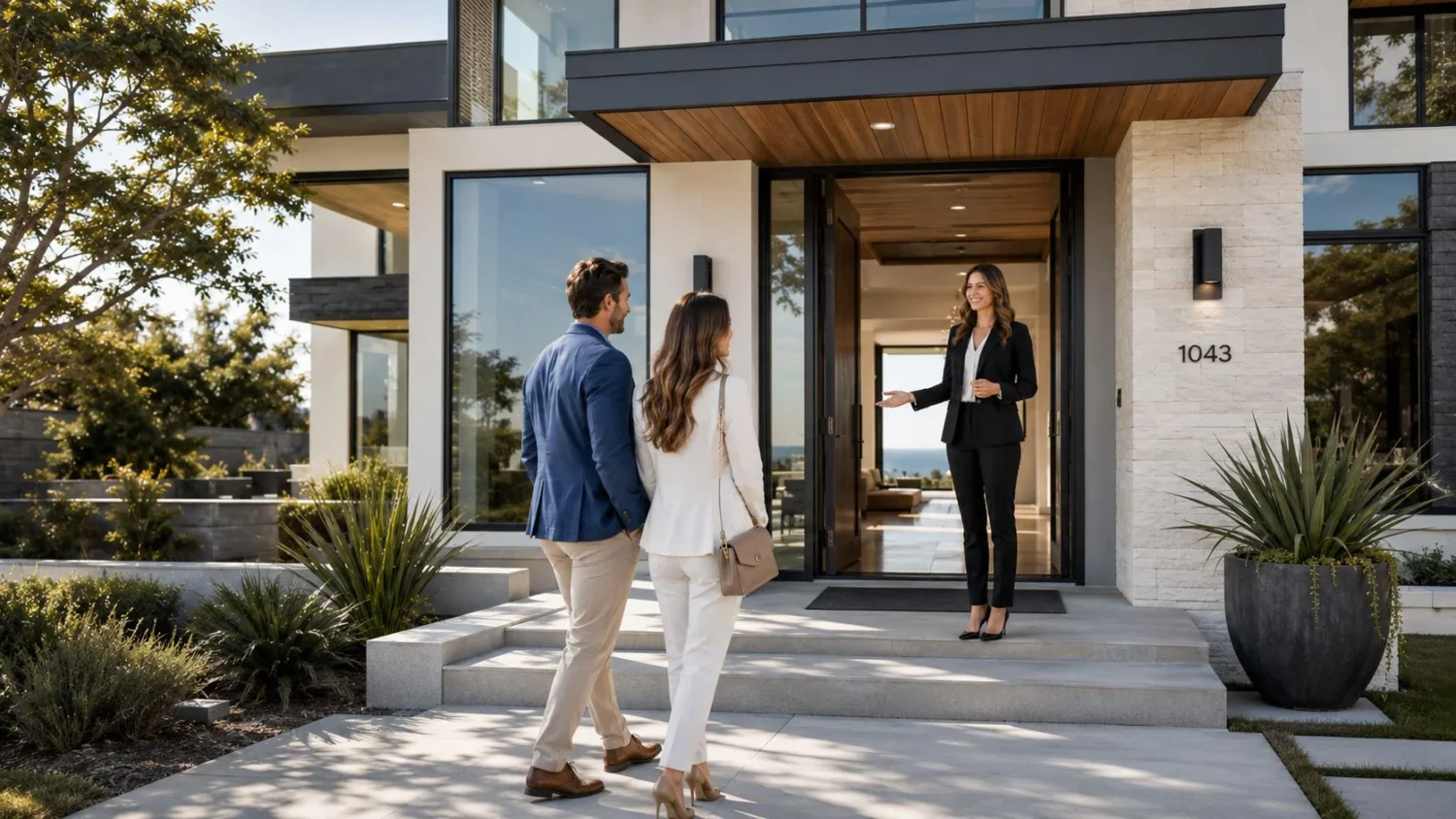

In most property deals, the only licensed professional in the room works for the seller. The real estate agent’s job is to get the highest price for the vendor. The buyer, often making the biggest purchase of their life, goes in with no one on their side. A buyer’s agent changes that balance.
This is a fast-growing corner of Australian property, and for good reason. A specialist such as Henman Property Buyers acts only for the purchaser, from searching to negotiating to settlement. Understanding what they do, and what they cost, helps you decide whether one belongs on your team.
What Does a Buyer’s Agent Actually Do?
A buyer’s agent is a licensed professional who represents the buyer through the whole purchase. They are the mirror image of a selling agent, working entirely in your interest.
The role covers far more than finding listings. A good agent shortlists suitable properties, including off-market ones the public never sees. They research fair value, inspect on your behalf, and handle the negotiation or bidding. Many also coordinate the building inspections and the conveyancing so nothing slips. The same agent who tracks down a polished Sydney display home can just as easily find a renovator’s project, depending on your brief.
A property purchase involves a surprising number of steps, set out in the official Queensland guidance on buying and selling a property. A buyer’s agent carries that load for you, which is the core of their value. In a market where a single mistake can cost tens of thousands, that expertise is rarely wasted.
Why Use a Buyer’s Agent In Australia?
The Australian market is uniquely tough on buyers. Auctions, tight stock, and fast-moving prices reward those with experience and punish those without it.
A buyer’s agent levels that field. They know local values street by street, so you neither overpay nor miss a fair deal. They keep emotion out of the bidding, a common and costly trap at auction. Their access to off-market and pre-market listings widens your options well beyond the portals. Whether you are chasing a custom home in Brisbane or an established cottage, that reach matters.
There is a time factor too. Searching, inspecting, and negotiating is a second job, and a daunting one for an interstate or overseas buyer. Treating a purchase as the serious property investment it is means getting the research right, and that is exactly where an agent earns their keep.
How Do Buyer’s Agents Charge?
Fees are the question every buyer asks, and the structures are straightforward once explained. Knowing them helps you compare agents fairly.
Most work on one of a few models:
– A fixed fee, agreed upfront regardless of the purchase price.
– A percentage of the purchase price, often around 1.5 to 3 per cent.
– A tiered fee, scaling with the property value.
– A retainer plus success fee, splitting the cost across the engagement.
Each has trade-offs. A fixed fee gives certainty, while a percentage aligns the agent with the result but can rise with the price. Always confirm what the fee includes, since a full-service engagement differs from a negotiation-only one. It is also worth asking how and when the agent is paid, since a fee tied to a successful purchase keeps their incentives aligned with yours.
When Is a Buyer’s Agent Worth It?
A buyer’s agent is not for every purchase, but in the right situation the value is clear. A few circumstances tilt the decision.
Consider one when:
– You are buying interstate or from overseas and lack local knowledge.
– You are time-poor and cannot attend inspections and auctions.
– The market is hot and stock is scarce in your target area.
– You want access to off-market properties.
The cost should be weighed against the savings. A skilled agent who negotiates even a modest discount, or simply stops you overpaying in a heated auction, can recover their fee many times over. For a high-value purchase, that margin matters enormously.
Buying Smarter In a Hot Market
A buyer’s agent restores the balance that the standard process tilts toward the seller. They search wider, value sharper, and negotiate cooler than most buyers can manage alone.
Decide what you need, whether full service or just negotiation. Compare fee structures honestly. Check the agent’s local track record in your target area. Do that, and you turn the most stressful purchase of your life into a process where someone qualified is finally working only for you.
Frequently Asked Questions
Is a Buyer’s Agent the Same as a Real Estate Agent?
No, and the difference is the whole point. A traditional real estate agent is engaged by the seller and works to get them the best price. A buyer’s agent is engaged by you, the purchaser, and works to secure the right property at the best terms for you. Their interests sit on opposite sides of the deal.
How Much Does a Buyer’s Agent Cost In Australia?
It varies by agent and service level. Many charge a percentage of the purchase price, commonly between 1.5 and 3 per cent, while others use a fixed fee. A negotiation-only service costs less than a full search-to-settlement engagement. Always get the fee and inclusions in writing so you can compare options on a like-for-like basis.
Can a Buyer’s Agent Find Off-Market Properties?
Yes, and it is one of their biggest advantages. Established agents maintain relationships with selling agents and often hear about properties before they are publicly listed, or that are sold quietly off-market. For a buyer in a competitive area, that early access can mean the difference between securing a home and missing out repeatedly.
Do I Still Need a Conveyancer if I Use a Buyer’s Agent?
Yes. A buyer’s agent handles the search, evaluation, and negotiation, but the legal transfer of the property is a separate role. A conveyancer or solicitor manages the contracts and settlement. A good buyer’s agent will coordinate with them, but the two jobs are distinct and both are important to a smooth purchase.
You Might Also Like