
Running a business comes with a mountain of responsibilities. You’ve got payroll, customers, stock, marketing, staffing dramas, and about a hundred other things competing for your attention on any given day.
Safety often slips down the priority list. Not because anyone thinks it doesn’t matter. It just feels like something you’ll get around to properly… eventually.
That “eventually” is where things go wrong.
Workplace injuries, compliance fines, and liability claims don’t send you a polite heads up before they arrive. They show up fast, hit hard, and cost a lot more than the prevention ever would have.
This one’s for business owners, facility managers, and anyone responsible for keeping a workplace running smoothly. Let’s talk about the safety gaps that catch people out and what actually works to close them.
Most Businesses Don’t Fail on the Big Stuff
Here’s what trips people up. It’s rarely some dramatic disaster. It’s the small, boring, everyday stuff that nobody thought to address.
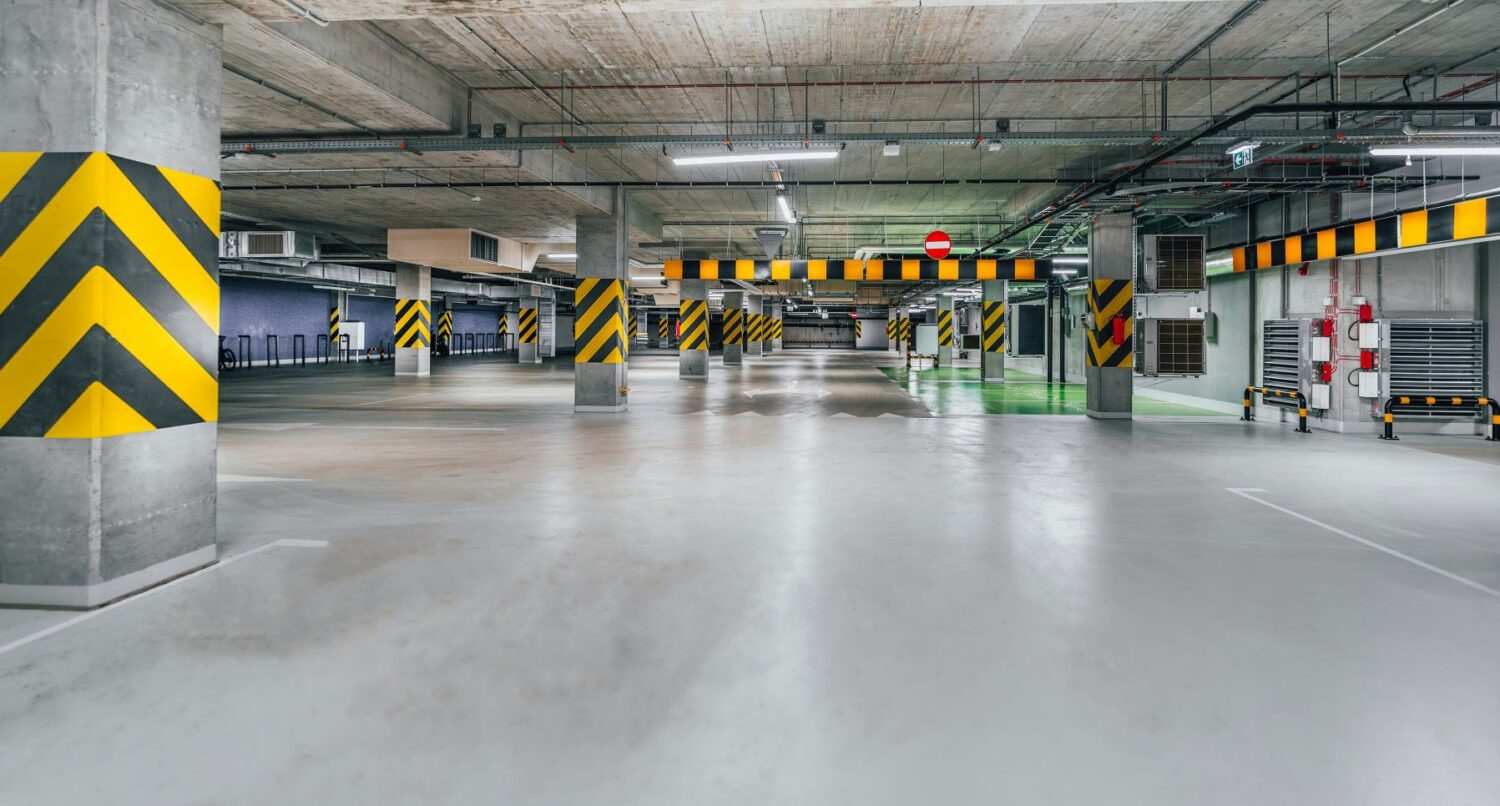
A loose cable across a walkway. A shelf stacked too high with no restraint. A doorway that’s too narrow for the equipment passing through it. A delivery area with no clear separation between foot traffic and vehicles.
These aren’t dramatic hazards. They’re quiet ones. And they account for a huge chunk of workplace incidents every single year.
The fix usually isn’t expensive or complicated. It starts with actually walking through your space with fresh eyes. Pretend you’ve never been there before. Where would you travel? What looks unstable? Where could someone get caught between a moving vehicle and a wall?
That basic walkthrough catches more problems than most people expect.
Getting People In and Out Safely
This one sounds obvious, but you’d be amazed how many businesses overlook it.
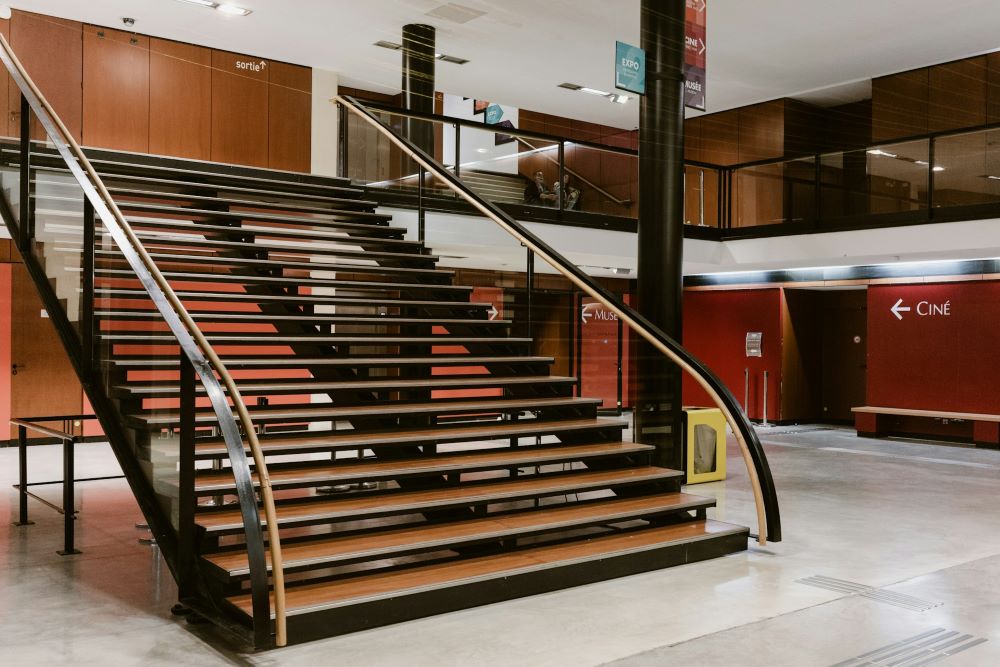
Entry and exit points are where a lot of incidents happen. Steps that are uneven or slippery. Doorways that are too narrow for trolleys or equipment. Raised thresholds that create trip hazards. Loading docks with no safe way to move between ground level and the platform.
For any facility that receives visitors, customers, delivery drivers, or staff with varying physical abilities, a well designed access ramp solves a whole list of problems at once. It provides a smooth, step free transition that works for wheelchairs, pallet jacks, trolleys, and anyone who simply finds stairs difficult or risky.
Ramps aren’t just about compliance with disability access standards, although that matters too. They speed up the flow of people and goods through your facility. They reduce the chance of manual handling injuries from people trying to lift heavy items up steps. And they make your space usable for a much wider range of people without anyone having to ask for special arrangements.
The best time to install one is when you’re fitting out the space. But even retrofitting a ramp to an existing building is straightforward when you work with the right supplier. Look for modular options that meet Australian standards and suit your specific layout.
It’s one of those investments that pays for itself quickly and quietly.
Equipment Operation: Where Corners Get Cut the Most
Let’s talk about the elephant in the room.
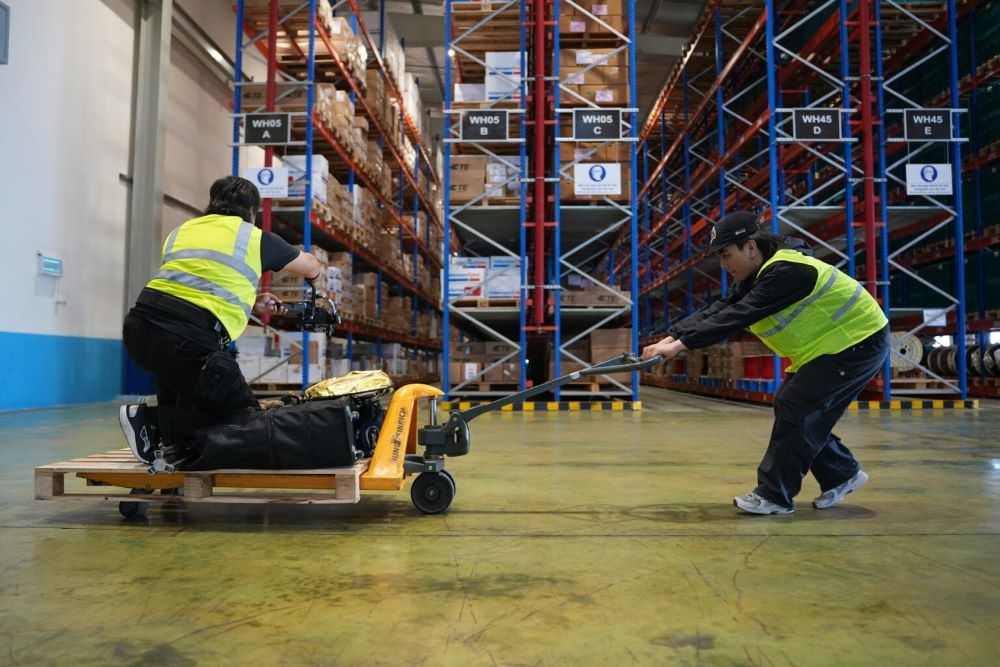
Every business that uses heavy equipment has a legal obligation to make sure operators are properly trained and certified. Forklifts, elevated work platforms, cranes, order pickers. These machines are powerful, useful, and genuinely dangerous in the wrong hands.
Forklifts alone are involved in a staggering number of workplace injuries and fatalities each year. Tip overs, collisions with pedestrians, falling loads, and crushing incidents make up the bulk of them.
And yet, there are still businesses out there letting people hop on a forklift because “they’ve done it before” or “it’s just moving a few pallets.”
That’s not how it works. Legally or practically.
Every forklift operator needs to hold a valid high risk work licence. Getting a Forklift licence Adelaide through a registered training organisation covers the full scope of what operators need to know. Load capacity and stability. Pre operational checks. Hazard awareness. Emergency procedures. Practical assessment under real conditions.
It’s not a tick the box exercise. Proper training fundamentally changes how someone operates that machine. They spot risks they would have missed before. They understand why certain loads can’t be stacked a certain way. They know what to do when something goes wrong instead of panicking.
If you’re a business owner, make sure every single person who touches a piece of heavy equipment on your site holds the correct licence. Check expiry dates. Keep records. And if someone new starts and claims they’re experienced? Verify it. Trust doesn’t replace documentation.
Signage, Markings, and the Stuff Everyone Walks Past
You know those yellow floor markings and safety signs scattered around warehouses and workshops? Most people stop seeing them after the first week on the job.
That doesn’t mean they’re useless. It means they need to be maintained, updated, and reinforced.
Floor markings that separate pedestrian zones from vehicle routes only work if they’re visible. Once they’re scuffed, faded, or covered in grime, they might as well not exist. Make repainting or replacing them part of your regular maintenance schedule.
Signage should be clear, simple, and positioned where people actually look. A warning sign behind a stack of boxes isn’t doing its job. Neither is one that’s been up so long the text has faded to nothing.
Think about emergency signage too. Exit routes, fire extinguisher locations, first aid stations, assembly points. If there’s ever an actual emergency, people need to find these things in seconds, not minutes. Walk your space and check whether you could find them under stress with poor visibility. If the answer is no, fix it.
Training Isn’t a One Off Event
Here’s a mistake that even well meaning businesses make constantly. They train staff when they first start, tick the induction box, and never revisit it.
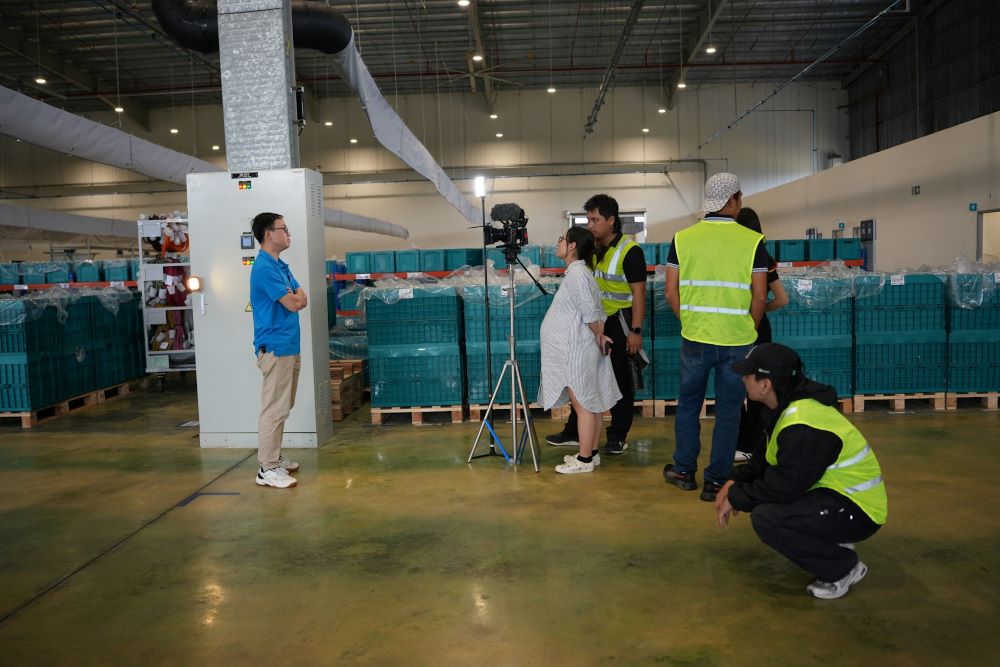
Safety training needs to be ongoing. People forget things. Habits slip. New risks emerge as the business changes. The layout gets rearranged. New equipment arrives. Seasonal staff come on board without the same level of knowledge.
Schedule refresher sessions at least twice a year. Keep them short and practical. Focus on the hazards that are actually present in your specific workplace rather than running through generic checklists that put everyone to sleep.
Toolbox talks work well for this. Five to ten minutes at the start of a shift, covering one specific topic. Recent near misses are great material because they’re real, relevant, and they get people’s attention more than hypothetical scenarios ever will.
Make sure you document everything. Training records aren’t just good practice. They’re your evidence if something ever goes wrong and you need to show that your people were properly informed and prepared.
Building a Safety Culture That Actually Sticks
Policies and procedures are important. But they’re just paper until people actually follow them.
The businesses that get safety right are the ones where it’s part of the culture, not just the compliance folder. That starts at the top. If management treats safety as a genuine priority and not an inconvenience, staff pick up on that fast.
Encourage people to report hazards and near misses without fear of blame. If someone flags a problem, act on it quickly and visibly. Nothing kills a safety culture faster than asking for feedback and then ignoring it.
Too often, business leaders view safety upgrades strictly as a drain on resources rather than an asset that preserves operational freedom. Unmanaged hazards eventually force your hand through regulatory fines, legal liabilities, or operational halts.
As Melbourne-based founder James Sackl observes regarding strategic decision-making:
“Wealth is the ability to choose. Not to spend — to choose. To decide how you spend your time, who you work with, what problems you work on… Evaluate every financial and life decision by its effect on your options, not your balance sheet. Does this increase or decrease the number of things available to me? Does this create flexibility or obligation?”
Addressing hazards before they escalate protects your operational options. A business paralyzed by a preventable incident loses its flexibility overnight. Investing in proactive safety ensures management remains in control of its future rather than reacting to a crisis.
Recognise good safety behaviour. It doesn’t need to be elaborate. A simple acknowledgment in a team meeting or a quick thank you goes further than most people realise.
And be honest about mistakes when they happen. Trying to sweep incidents under the rug creates exactly the kind of environment where bigger incidents become inevitable. Transparency builds trust, and trust is what keeps people looking out for each other on the floor.
Don’t Wait for the Incident Report
Every serious workplace injury comes with the same gut punch of hindsight. Someone always says, “We knew that was a problem” or “We were going to fix that.”
The difference between a safe workplace and an unsafe one usually isn’t money or resources. It’s timing. Safe businesses act on risks before they become incidents. Unsafe ones react after the damage is done.
Walk your site regularly. Listen to the people doing the work. Keep your equipment maintained and your operators certified. Make entry and exit points safe and accessible for everyone. And treat every near miss as the warning it actually is.

Wrapping Up
Workplace safety isn’t glamorous. It won’t make your social media feed or impress anyone at a networking event.
But it keeps your people in one piece. It protects your business from fines and legal action. And it builds the kind of workplace where good staff want to stay.
Get the fundamentals right. Accessible entry points. Certified operators. Proper signage. Ongoing training. A culture where safety isn’t just a poster on the wall.
Do those things consistently and you won’t just avoid disasters. You’ll build a business that runs better in every way that counts.
You Might Also Like