

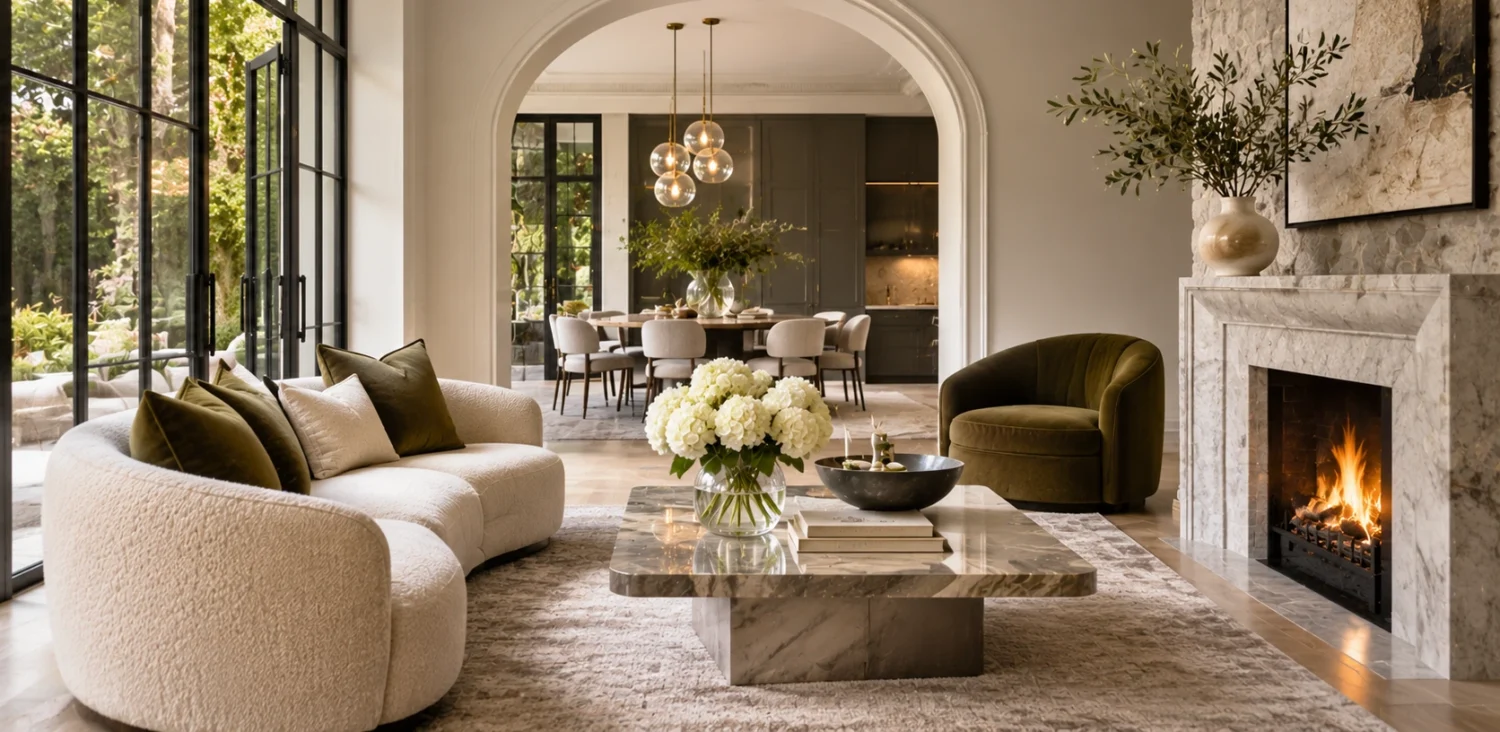

Renovations have a habit of erasing personality. A tired old house gets gutted, the walls are painted white, the floors are replaced with the same pale boards seen in every display home, and the result is clean and modern but strangely anonymous. The quirky details that gave the home its soul disappear along with the peeling wallpaper and dated bathroom.
It doesn’t have to be that way. The best renovated homes blend contemporary comfort with character, whether that comes from original features, thoughtful materials, layered textures or a few unexpected touches. Looking at real projects can be a great source of inspiration. A Northcote home interior design project, for instance, shows how a renovated period home can feel fresh and liveable without losing the warmth and individuality that made it special in the first place.
Celebrate Original Features
If your home has original details, think carefully before removing them. Ornate cornices, ceiling roses, picture rails, fireplaces, leadlight windows, timber floorboards and decorative architraves are difficult and expensive to replicate.
These features can become focal points in a renovated space. A restored fireplace can anchor a living room, even if it’s no longer used for fires. Original floorboards can be sanded and refinished to bring out their natural beauty. Leadlight windows add colour and history.
Where original features have been lost, some homeowners choose to reinstate period-appropriate details, such as cornices or skirting boards, to restore the home’s sense of place.
Mix Old And New
Some of the most interesting interiors combine contemporary design with vintage or antique pieces. A sleek modern kitchen can sit beautifully alongside a timber dining table with decades of history. A mid-century armchair might add warmth to a minimalist living room.
Mixing old and new creates depth and makes a home feel collected over time rather than bought in a single weekend. It also allows homeowners to include meaningful family heirlooms, op-shop finds and pieces with a story.
The key is balance. Choose a few standout vintage pieces rather than filling every room, and connect them through colour, material or shape.
Use Colour, Texture And Materials Thoughtfully
White walls and neutral palettes are popular for good reason, but they can feel flat if every surface is the same. Colour, used thoughtfully, can bring warmth and personality.
Consider deep greens, warm terracottas, ochres, soft pinks or moody blues in feature walls, joinery or entire rooms. Painting ceilings, doors or skirting boards in unexpected colours can add interest.
Texture is equally important. Natural materials such as timber, stone, linen, wool, leather and rattan create a sense of warmth and depth. Rough and smooth surfaces side by side, such as a honed stone benchtop against textured tiles, make spaces feel tactile and inviting.
Patterned wallpaper, tiles or fabrics can introduce personality, particularly in smaller spaces such as powder rooms, laundries or entryways.
Choose materials that age gracefully. Solid timber, natural stone, brass and quality tiles often develop a patina that adds character over time, while some synthetic finishes may simply look worn.
Lighting, Art And Personal Details
Lighting has a huge impact on how a space feels. Instead of relying solely on downlights, use layered lighting with pendants, wall sconces, table lamps and floor lamps. Statement light fittings can act as sculptural features. Vintage or handmade lights can add individuality.
Art and personal objects bring a home to life. Original artwork, ceramics, photographs, travel souvenirs and books reflect the people who live there and spark conversation. Rather than filling walls with mass-produced prints, consider building a collection gradually, choosing pieces that resonate with you.
Joinery offers another opportunity for character. Built-in bookshelves, window seats, custom cabinetry and arched openings can add architectural interest. Panelled walls, fluted details and curved edges create softness and craftsmanship.
Working With a Designer
An interior designer can help homeowners balance practicality, style and character. Designers understand how to preserve original features, select materials, plan lighting and create cohesive spaces that reflect a client’s personality.
Collaborating with a professional can also help avoid costly mistakes and ensure that renovations enhance, rather than erase, a home’s charm.
A renovated home should feel comfortable and functional, but it should also feel like yours. By celebrating original features, mixing old and new, embracing texture and colour, and adding meaningful personal touches, you can create a home that’s both modern and full of character.
You Might Also Like


