
There are plenty of decisions involved in creating a new home, but few have quite the impact of the surfaces you live with every day. Tile, stone and terrazzo occupy an enormous amount of visual space, from bathroom walls and floors to kitchens, entertaining areas and pools, so their influence extends well beyond practicality. For homeowners searching for luxury tiles in Sydney, the real challenge isn’t finding something beautiful; it’s knowing which material, format, colour and pattern will give a space its own identity without overwhelming everything around it.
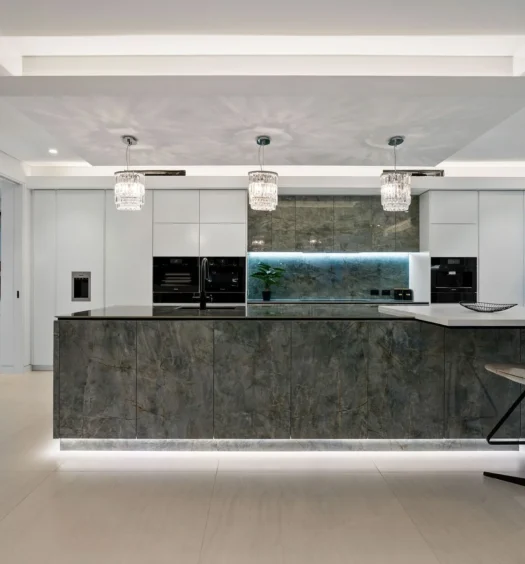
That relationship between material and interior design is something Stone & Tile Projects understands well. Working alongside interior designers on residential projects allows the Sydney-based company to see its products well beyond the showroom, including collaborations with Rachael Miklas Design & Detail. Across the project imagery featured here, mosaics, marble, terrazzo and porcelain each bring something different to the design, showing just how varied the effect can be even when the overall palette remains refined.
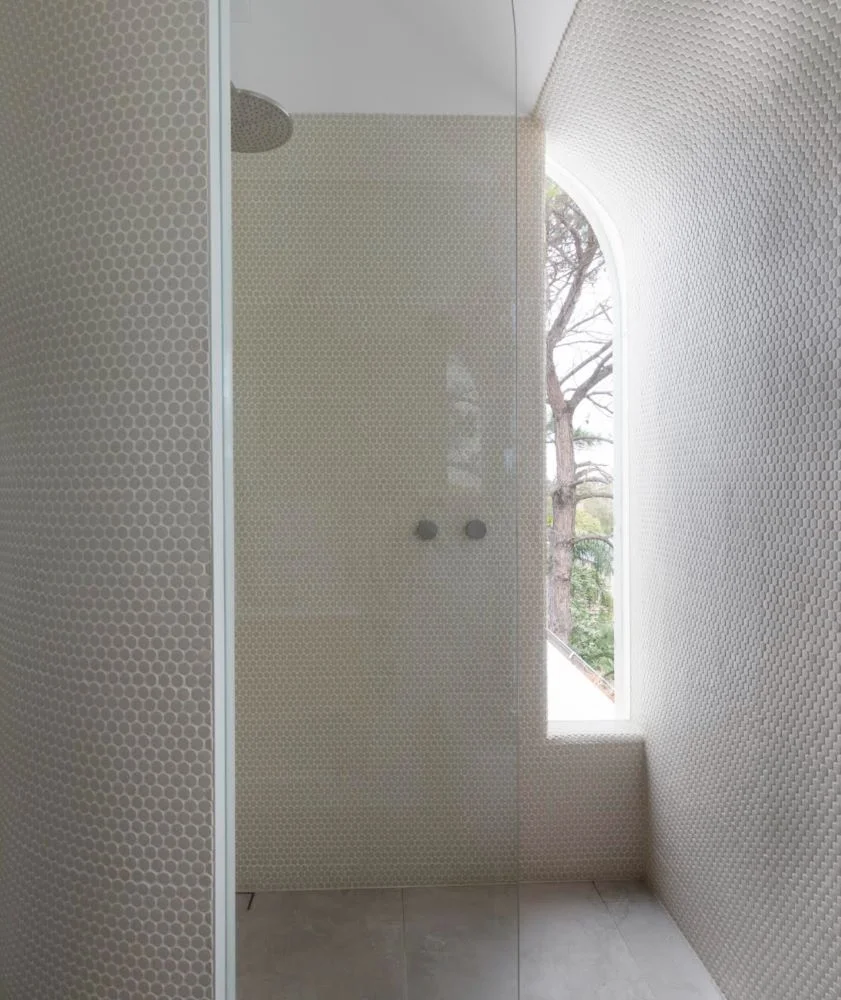
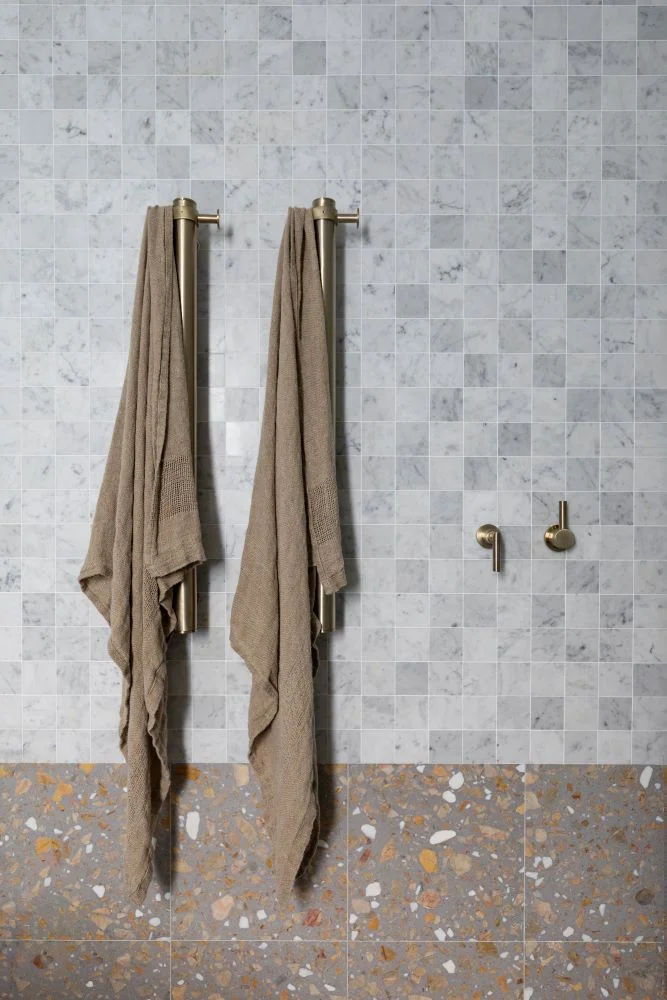
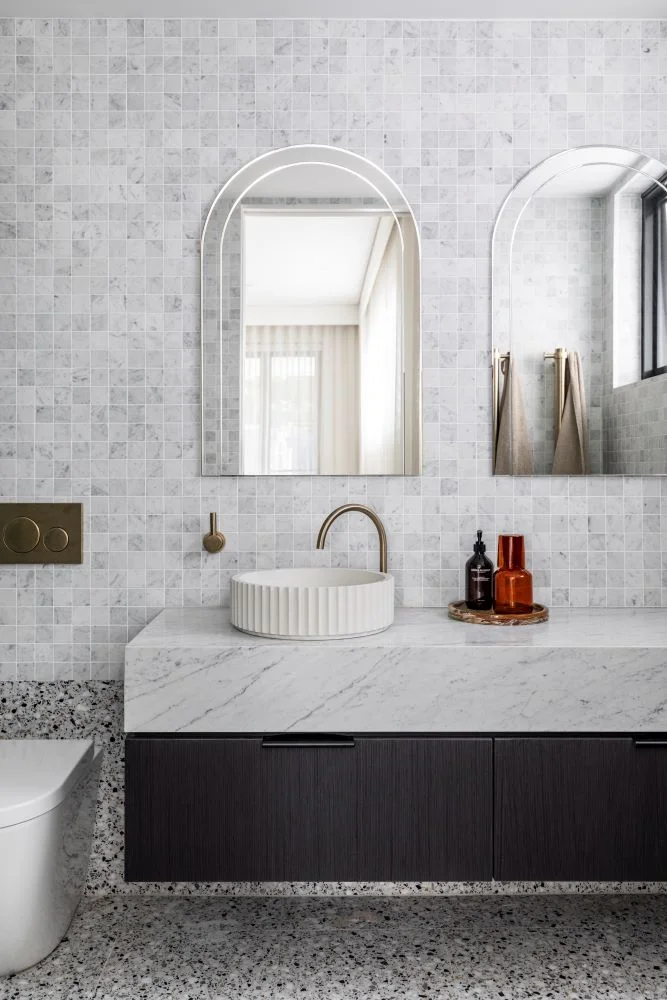
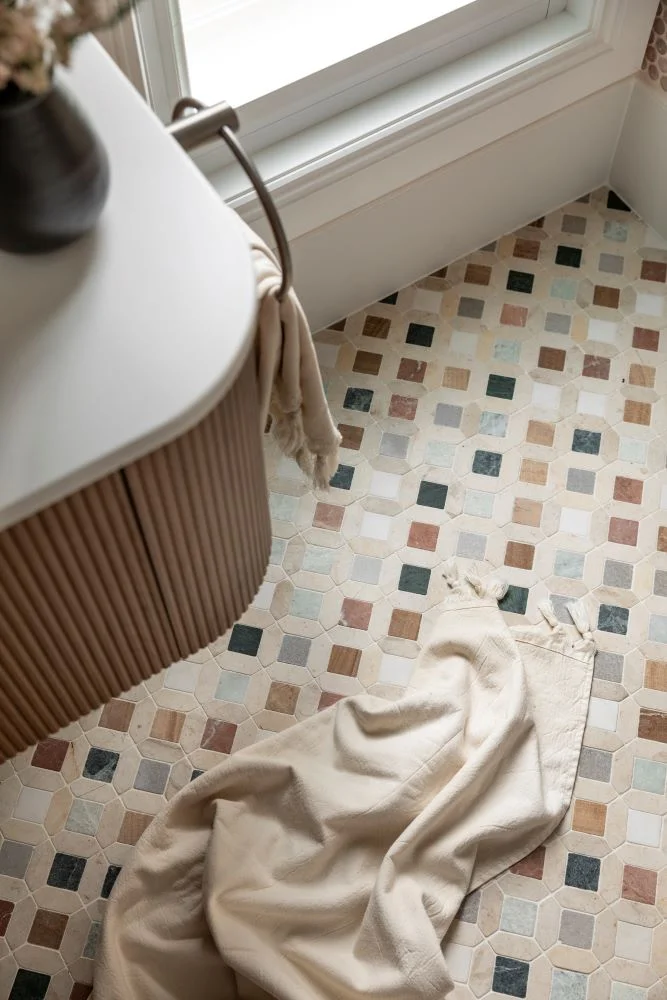
Small-format tiles are a particularly good example. The Off-White Penny Round Mosaic introduces shape and rhythm through its circular format, while its soft neutral colour keeps it from dominating the room. It’s the kind of surface that proves a pale palette doesn’t have to mean a flat one. Alongside it, the Carrara Bianco Mosaic 75×75 takes a very different approach. Its square format gives the marble a stronger geometric presence, while the familiar white and grey variation of Carrara adds natural movement. Used within an interior, these smaller formats allow pattern to become part of the architecture without relying on strong colour.
Terrazzo takes that idea in another direction entirely. Gem Onyx STP-41 brings together grey with warmer gold-toned fragments, giving the surface a richer, almost jewellery-like character. Clay Forest STP-33, meanwhile, draws from a more earthy palette. Both demonstrate why terrazzo continues to find its way into contemporary homes: it can carry colour, texture and movement within a single surface while still working alongside timber, stone, joinery and other finishes. Rather than treating the floor or wall as a backdrop, terrazzo lets it become part of the visual story.
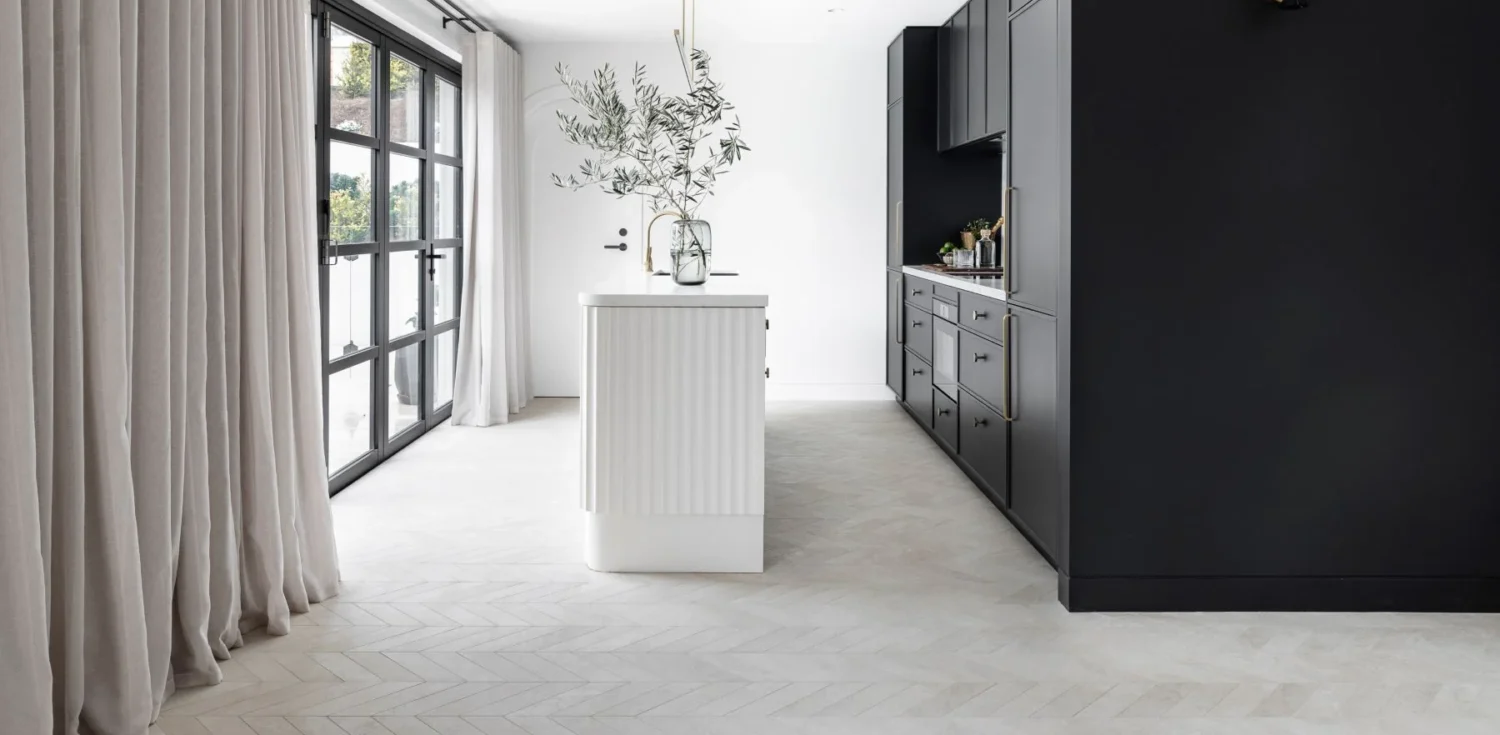
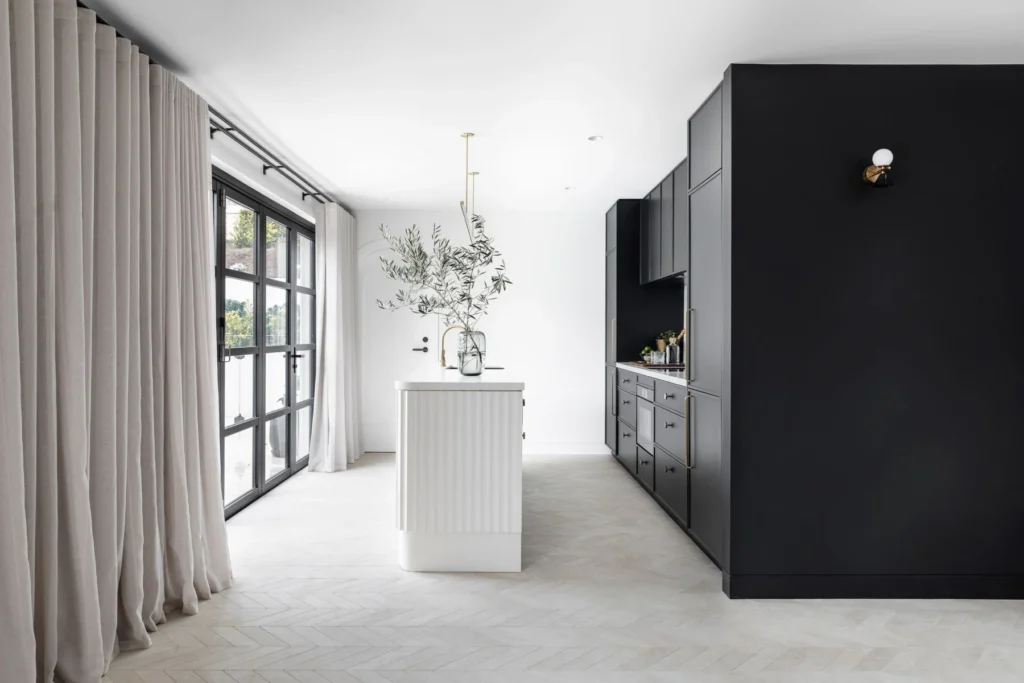
The Balgownie Poolhouse, designed by Rachael Miklas Design & Detail, offers another take on material selection. Here, Gothic Sand has been laid in a chevron pattern, introducing direction and movement through the layout itself. The warm sandy tone works particularly well in a poolhouse setting, where hard surfaces need to feel connected to the relaxed nature of the space. Instead of needing an overtly decorative tile, the pattern gives the material its impact. It’s a useful reminder that the way a tile is laid can be every bit as important as the tile chosen in the first place.
What these projects also show is the value of looking beyond individual samples. A tile that appears subtle when held in the hand can become dramatically different across several square metres, while a surface with plenty of variation may actually bring balance to a room once joinery, furniture and natural light enter the picture. Scale matters. So does grout colour, format, pattern and the relationship between adjacent finishes. This is where collaboration between designer, supplier and client becomes especially valuable.
Stone & Tile Projects’ range extends across mosaics, natural stone, porcelain and terrazzo, giving designers considerable freedom to move between different textures and formats while maintaining a cohesive material palette. For homeowners, it also opens the door to choices that might not initially have been on the moodboard. When creating luxury interiors, these material choices can have as much influence on the overall character of a space as furniture, lighting and joinery. A penny round can soften an otherwise linear bathroom. Carrara marble can introduce natural variation without strong colour. Terrazzo can give a simple room personality, while a porcelain tile laid in an unexpected pattern can completely change its character.
And perhaps that’s the most interesting thing about selecting surfaces for a new home. The best interiors don’t necessarily rely on the loudest material in the showroom. Often, it’s the combination — the contrast between large and small formats, natural variation and clean geometry, pattern and restraint — that makes the space memorable.
For more information and to explore the complete collection, visit Stone & Tile Projects.
Tags
Designer tiles Sydney Luxury tiles Sydney Marble Tiles Sydney Stone & Tile Projects Tiles for luxury homesYou Might Also Like