

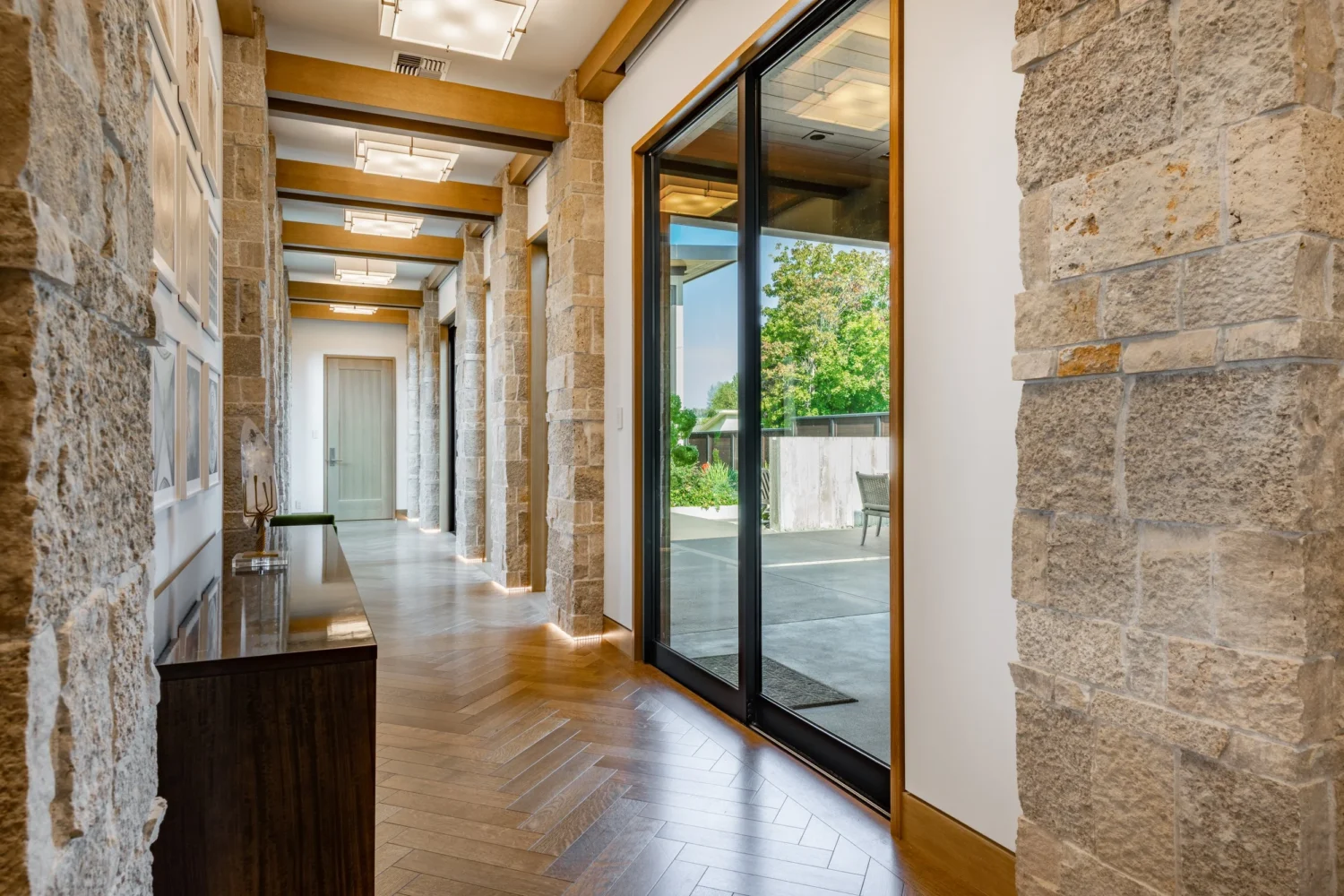

Walk through almost any housing estate in Australia, and you’ll notice how the houses all start to blend into one another. Sure, the houses probably look neat, modern, and perfectly functional, but they also come across as incredibly “cookie-cutter”, with the same features and designs.
There’s a reason for this. Volume building has become incredibly popular because it’s efficient, predictable, and generally more affordable than a fully custom home. And with housing affordability continuing to be a major issue, it provides a practical path into homeownership for the everyday Aussie.
That said, there’s still a huge demand for bespoke designs. A home isn’t just another purchase. It’s where people raise families, entertain, work from home, and spend a huge portion of their lives. That’s why many homeowners continue to see value in creating something designed specifically around the way they live rather than choosing a one-size-fits-all solution.
A Home Designed Around Real People
A great designer’s first and most important task is to understand how a homeowner uses their space. Do they entertain a lot? Do they need areas for kids or teenagers? Does anyone work from home? Is natural light a priority? These types of questions play a huge role in formulating the design of the home.
Naturally, this amount of planning requires years of education and experience within the industry. Most architects, interior designers, and development professionals have qualifications ranging from architecture and construction management through to a Master of Property Development. This enables them to create homes that not only look good but also function well over the long-term.
One of the biggest differences between a bespoke home and a volume-built home is in where the design process begins. With a project home, homeowners typically choose from a catalogue of existing floorplans but are able to make minor alterations and upgrades. In other words, the design has already been conceptualised prior to the homeowner’s involvement. Bespoke homes take a different approach. The result is often a house that feels more intuitive because it has been built around real habits rather than assumptions about how people should live.
Making The Most Of Difficult Blocks
There’s no shortage of challenging blocks in Australia. From sloping sites, narrow frontages, unusual shapes, and planning/building permits to top it all off, complications are the name of the game. This is why most volume builders generally choose to work on relatively straightforward sites, since their designs are intended to be repeated across multiple locations.
Bespoke designs leave a lot more room for creativity. Rather than forcing a block to fit a standard floorplan, the design responds to the site itself. And a lot of the time, features that would be considered limitations in a standard build can often become strengths when incorporated into a custom design. This approach matters even more in established suburbs where blocks are rarely identical and every site comes with its own opportunities and constraints.
Better Long-Term Functionality
One of the most common complaints that come from homeowners after they’ve moved into their new home is that certain spaces don’t work quite as well as they expected. Maybe the kitchen is a little too cramped. Perhaps the house looks great, but is severely lacking in storage. Or maybe the living areas just don’t get enough natural light in the winter months. These aren’t major issues, but they can become incredibly frustrating over time.
Bespoke design aims to nip these frustrations in the bud even before the home has been built. More thought is dedicated to the circulation of the home, storage needs, room orientation, and how different spaces interact with one another. While these details might seem minor during the planning stage, they can have a significant impact on how comfortable a home feels five, ten, or even twenty years down the road.
Energy Efficiency Isn’t An Afterthought
Energy prices in Australia remain a huge concern for many households, which is why energy efficiency has become a really important part of residential design. Most project builders now include eco-friendly aspects and features to meet regulatory requirements. But there’s rarely any opportunity for homeowners to have a say in what appliances are used, since energy efficiency is more of a box-ticking exercise.
Bespoke design often allows sustainability measures to be considered from the very beginning rather than added later. Features like solar panel orientation, heating and cooling systems, window placement, and ventilation can all be incorporated into the design and construction process from the get-go. The goal is to create a comfortable home that also happens to reduce running costs. And when done well, the cost savings over time can be significant.
Character Still Matters
Functionality is obviously very important when you’re building a home, but it’s important to remember that a home is more than just four walls. People form emotional connections with the places they live, whether it’s family dinners cooked in the kitchen, birthday celebrations in the backyard, or quiet mornings spent enjoying a favourite room.
Bespoke homes often have a stronger sense of identity because they’re designed for one household rather than following trends. That doesn’t necessarily mean extravagant architecture or unusual features. Sometimes character comes from something as simple as a reading nook, a carefully framed view, or materials that reflect a homeowner’s personal taste. These details might not appear on a spreadsheet, but they often become the things people appreciate most after moving in.
Looking Beyond Construction Costs
Fast-build construction will appeal to buyers looking for an affordable home that doesn’t take years to build. That’s completely understandable. However, focusing solely on upfront construction costs can sometimes overlook the broader value of good design. For example, good design can provide comfort, reduce energy and renovation costs, and adapt more easily as a family’s circumstances change. While these benefits may not always be reflected in the initial contract price, they can influence the overall value homeowners receive from the property over many years.
At the end of the day, a lot of the time, bespoke builds are just about making more thoughtful decisions from the beginning and considering the context and location, and things like whether you’re building a regional or metro home.
Final Thoughts
Fast-build construction has undoubtedly helped to make housing more accessible for Australians, and it continues to play an important role in the housing market. However, speed and efficiency aren’t the only things that are important when you’re building your home. For many Aussies, one of the main draws of bespoke design is creating a home that reflects their lifestyle both now and in the future. While floorplans, finishes and building methods may change over time, that desire for a home that feels personal, functional and thoughtfully designed isn’t likely to disappear anytime soon.
You Might Also Like


