
You can spend months choosing stone, refining the kitchen storage solutions, planning custom joinery and finding exactly the right furniture, yet the way a home feels after dark can change the entire result. Some rooms become warmer and more inviting as evening sets in, while others suddenly feel flat, overly bright or completely different from the atmosphere created during the day. Perhaps more than any other element, lighting defines how a room feels, but surprisingly it is still something that is often given too little thought in the design of a home, and when you begin to look at what architectural lighting can actually do, it becomes hard to understand why it is ever left until the end.
Proper architectural lighting design is very different from simply selecting attractive pendants or deciding where to place downlights. It considers the home as a complete experience, looking at where light is needed, what deserves attention and how different spaces will be used throughout the day. For example, a kitchen may require bright, practical illumination while meals are being prepared, then a softer setting when guests gather around the island. The dining area needs intimacy, while living spaces should feel relaxed without becoming too dim. When thoughtfully designed, architectural lighting enhances the ambience throughout the home, creating spaces that feel more welcoming, more comfortable and ultimately far more enjoyable to live in.
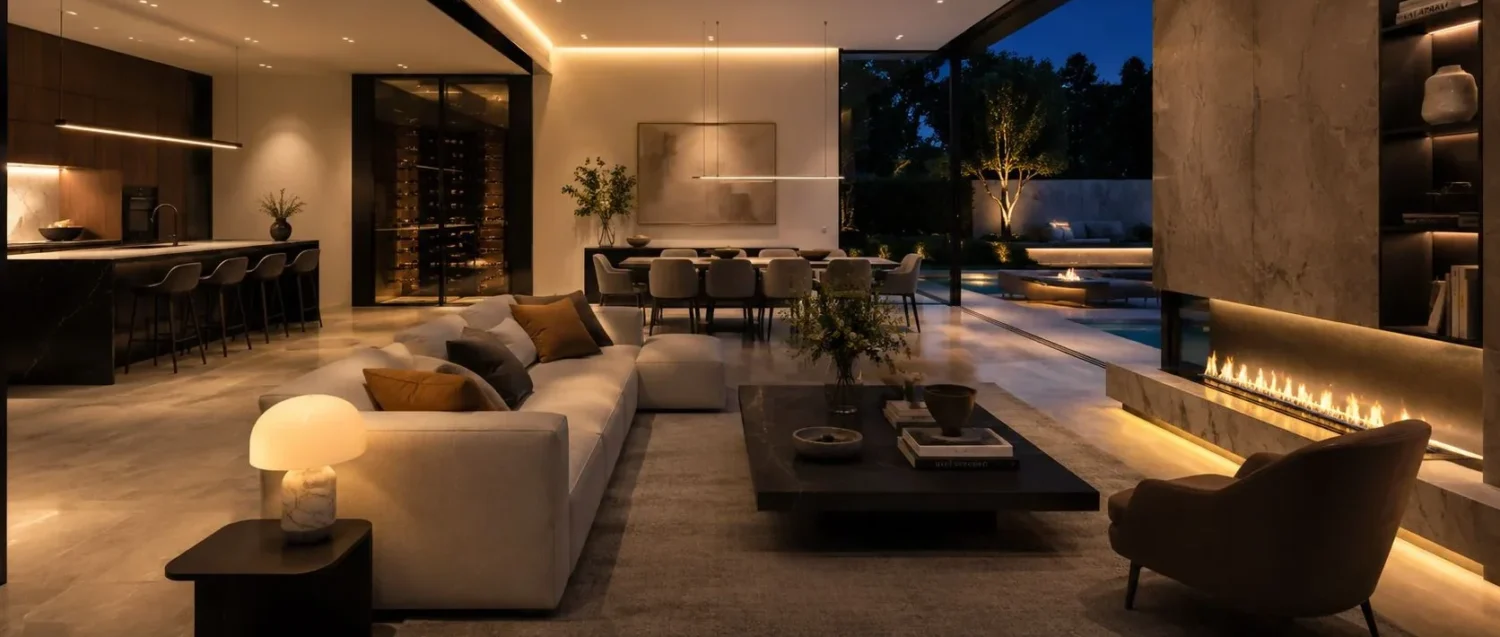
One of the greatest differences comes from understanding that more light does not necessarily mean better lighting. In fact, illuminating an entire room to the same level can strip it of depth and make even the most luxurious interior feel surprisingly flat. Architectural lighting creates contrast, drawing the eye towards the elements that give a room its character while allowing other areas to sit more softly in the background. A fireplace becomes a natural focal point, a hallway leads the eye towards an artwork or garden view, and an open-plan interior has defined space without the need for walls. The home begins to have a natural visual rhythm, rather than every surface competing for attention.
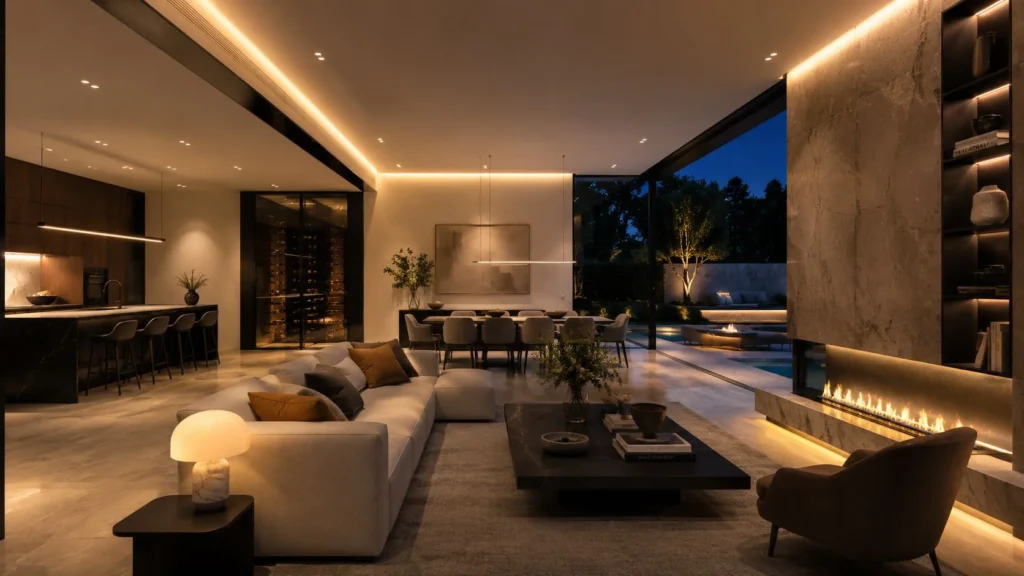
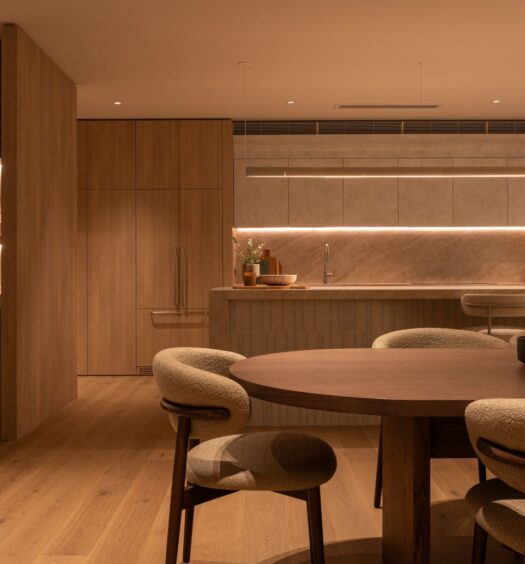
Then there are the materials themselves. Consider the time spent selecting a piece of luxurious marble for its veining, the grain and warmth of a particular timber or an original artwork chosen specifically for a room. Under poor lighting, much of what made those pieces special can simply disappear. Architectural lighting can draw out the texture of stone, enrich the warmth of timber and give an artwork the presence it deserves, allowing the details homeowners have invested in to have the attention they deserve. This is not about turning every finish into a feature, but understanding where light can add depth and where a softer approach will make the surrounding space feel richer.
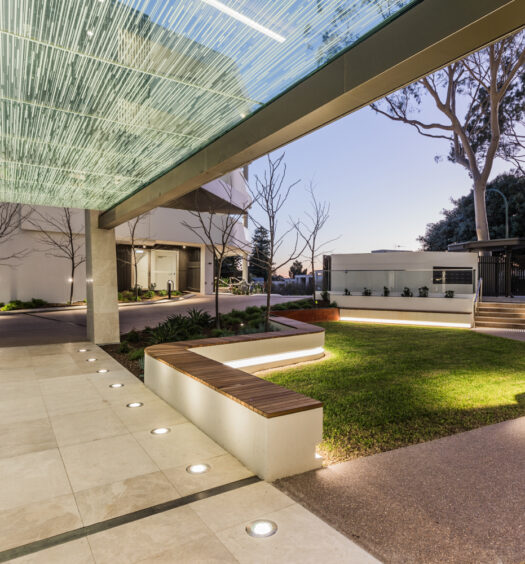
The connection between indoors and out is another area where lighting can completely change the experience of a home. Expanses of glass may frame beautiful gardens, pools and courtyards during the day, only to become dark reflective surfaces at night. Extending the architectural lighting strategy into the landscape keeps those views alive after sunset. A tree canopy, textured wall or sculptural planting can be gently illuminated to draw the eye beyond the glass, creating a greater sense of depth and allowing the exterior to remain part of the home long into the evening.
Of course, achieving any of this is far easier when the lighting design is considered early on. Leaving the lighting plan until the electrical stage can severely limit what is possible, particularly once ceilings, cabinetry and other architectural details have already been resolved. Early planning allows lighting to be integrated into joinery, aligned with furniture and artwork, and positioned in response to the way a room will actually be used. It moves the conversation away from how many downlights are needed and towards the far more important question of how the homeowner wants each space to feel.
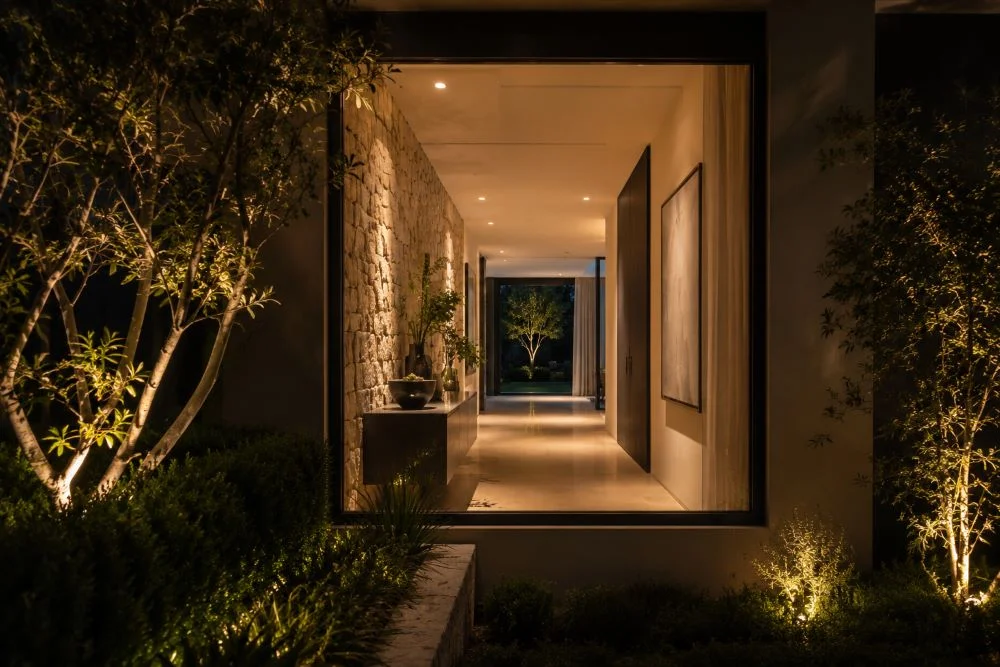
This is the approach taken by SPACIO, a specialist in high-end residential architectural lighting design. Working with architects, designers and private clients, the studio considers the architecture, materials and lifestyle of the people who will live in the home before developing the lighting strategy. The process spans concept development, technical documentation, construction guidance and post-completion refinement, combining the creative side of lighting with the technical detail required to ensure the original intent can actually be delivered.
For homeowners, one of the most valuable parts of this process is the ability to see how the lighting may affect their home before it is built. SPACIO uses concept sketches, annotated plans and lighting visualisations to explore focal points, light distribution and the interaction between lighting, materials and landscaping. Performance-based simulations can test beam angles and light levels, while interior and exterior renders help communicate mood and contrast. It turns something that can be difficult to imagine from an electrical plan into a far more tangible part of the design process, with the opportunity to refine the scheme before construction is too far advanced.
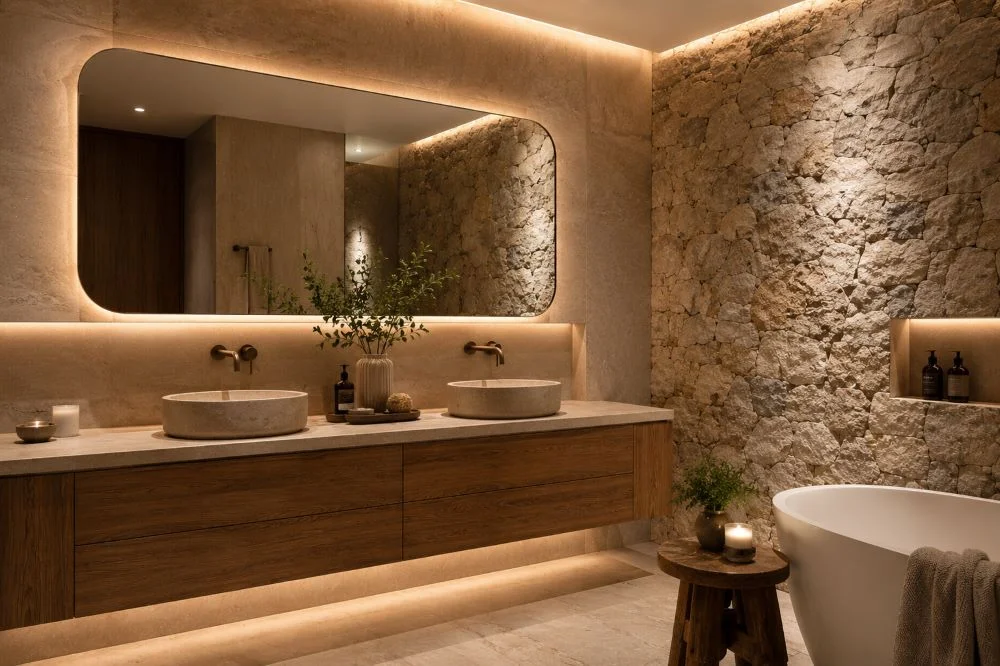
Perhaps that is why architectural lighting deserves far more attention in the design of a luxury home. We spend so much time thinking about what a home will look like, yet how it feels will ultimately determine how much we enjoy living there. Light influences the mood of the entire home, the way its architecture is perceived and the emotional response created as you move through it. When architectural lighting is planned from the beginning, it brings all the other elements of the home together and ensures the experience of your home is every bit as impressive as the design.
To find out more about SPACIO’s professional lighting design services visit www.spacio.com.au
Tags
Architectural Lighting architectural lighting for homes lighting design for luxury homes Lighting Designers Lighting Designers Perth luxury home lighting Professional Lighting Design residential architectural lighting residential lighting design Residential Lighting Design Perth Residential Lighting Designers Perth SpacioYou Might Also Like